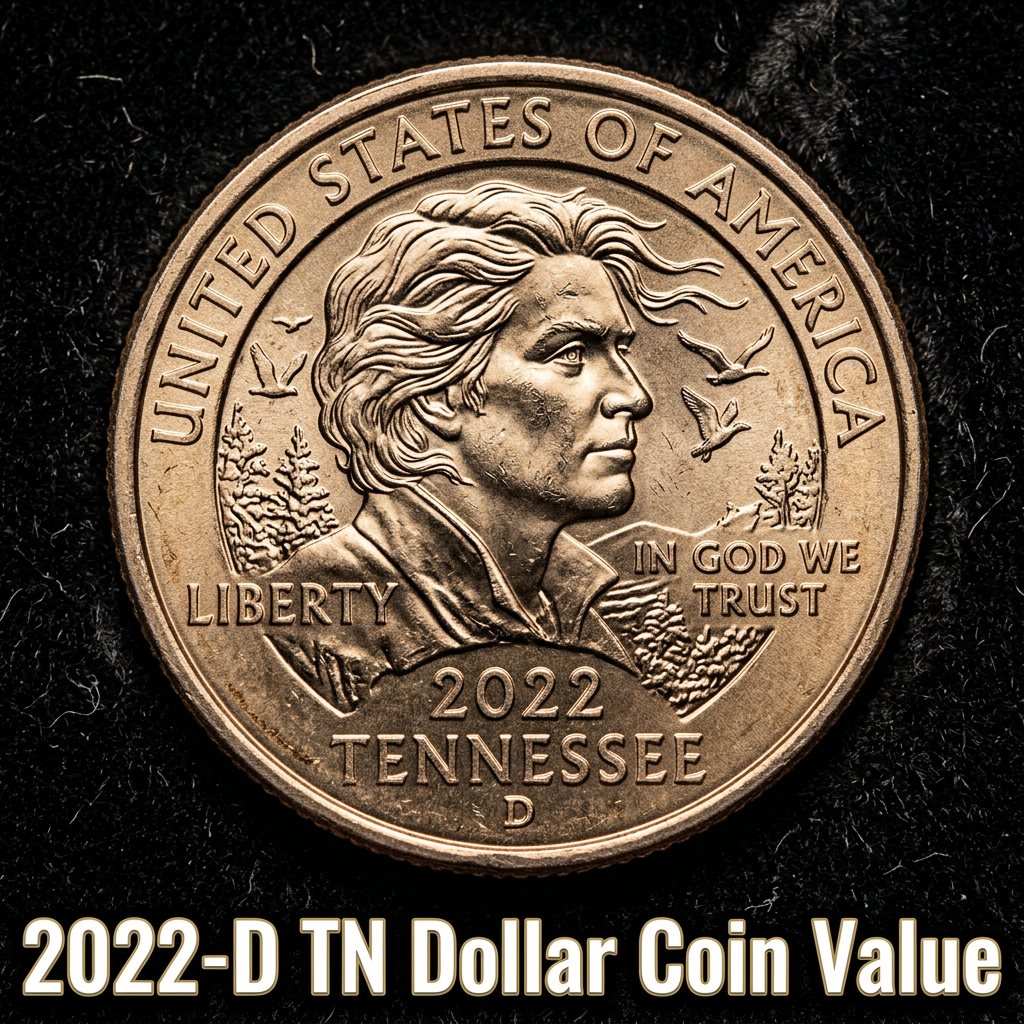
The 1904 Indian Head Penny is worth anywhere from $2 in worn condition to over $500 in pristine mint state. While millions were minted, finding one in your pocket change today is a thrilling discovery that connects you directly to the turn of the 20th century.
| Condition / Grade | Estimated Value |
|---|---|
| Good (G-4) | $2.00 – $3.50 |
| Very Fine (VF-20) | $6.00 – $12.00 |
| Extremely Fine (EF-40) | $20.00 – $35.00 |
| Uncirculated (MS-63) | $75.00 – $150.00 |
| Gem Mint State (MS-65+) | Over $450.00 |
Understanding the History of the 1904 Indian Head Cent
The 1904 Indian Head Penny was produced during an era of significant growth and change in the United States. James B. Longacre designed this iconic piece, which features a representation of Liberty wearing a Native American headdress. Interestingly, the model for Liberty was rumored to be Longacre’s daughter, Sarah, though historians often categorize this as a charming myth rather than confirmed fact.
In 1904, the Philadelphia Mint struck a massive total of 61,326,198 pennies. Because this was a high-production year, many of these coins survived, making them accessible to modern collectors. If you’ve recently inherited a collection or found one of these in an old jar, using the best coin identifier app can help you confirm its authenticity and variety instantly.
Standard 1904 pennies are composed of 95% copper and 5% tin and zinc. Because they are primarily copper, their appearance changes significantly over time as they oxidize. Collectors pay a premium for coins that retain their original “Red” (RD) luster compared to those that have turned “Brown” (BN) or “Red-Brown” (RB). These subtle color differences can mean a difference of hundreds of dollars in the final price of the coin.
Using a tool like CoinHix allows you to see high-resolution examples of these different color designations. Knowing whether your coin is technically “Red” or “Red-Brown” is crucial for an accurate appraisal. Most 1904 pennies found in circulation today will be Brown, but a well-preserved family heirloom might still show that original mint glow.
Evaluating the 1904 Indian Head Penny Condition
To determine the value of your 1904 penny, you must first assess its “grade.” Grading is the process of evaluating how much wear and tear the coin has sustained over the last century. For beginners, the most important areas to look at are Liberty’s hair, the word “LIBERTY” on the headband, and the tips of the feathers in the headdress.
A coin in “Good” condition will be heavily worn, with the tops of the letters in “LIBERTY” mostly rubbed away. However, if you can see all the letters clearly, your coin is likely in “Very Fine” condition or better. The jump in price between a worn coin and a crisp one is significant. For those looking for the most current auction data, checking the 1904 Indian Head Penny Red price guide can provide insight into what high-end specimens are fetching in the marketplace.
| Grade Label | Visual Characteristics | Estimated Value |
|---|---|---|
| G-4 Good | Design is visible but flat; rims may be worn. | $2.10 |
| F-12 Fine | “LIBERTY” is readable; feathers show minor detail. | $5.50 |
| AU-50 About Uncirculated | Traces of wear only on the highest points. | $40.00 |
| MS-63 Mint State | No wear, some contact marks, full luster. | $110.00 |
Key Factors Influencing 1904 Penny Market Prices
Several factors beyond just the grade determine how much a collector will pay for a 1904 Indian Head Penny. The primary factor is “Eye Appeal.” A coin with a smooth chocolate-brown surface and no distracting scratches will sell faster and for more money than a coin with ugly dark spots or “verdigris” (green corrosion).
Another factor is market demand. While the 1904 is not a “key date” (like the rare 1877 or 1909-S Indian Head pennies), it is a popular year for people building “year sets” or those who want an affordable piece of history. Many new collectors start with the early 1900s because they are more affordable than the Civil War-era strikes.
The presence of “Luster” is the holy grail for 1904 pennies. Luster is that shimmery, cartwheel effect you see when you rotate a brand-new coin under a light. If your 1904 penny still looks orange or red, do not clean it! Cleaning a coin actually destroys its value. Instead, use the CoinHix app to compare your coin’s luster to certified professional examples to see if you have a high-value gem.
The current 1904 Indian Head Penny market value often fluctuations based on the price of copper and the general interest in numismatics. However, compared to modern coins, historical pennies like these tend to maintain a very stable value floor.
Rare 1904 Indian Head Penny Errors and Varieties
While the 1904 penny is largely consistent, error hunters are always on the lookout for anomalies. Errors occur during the minting process and can turn a $2 coin into a $200 coin. Common errors for this era include “Off-Center strikes,” where the coin was not properly aligned with the dies, resulting in a crescent-shaped blank area.
Another interesting variety to look for is the “Repunched Date” (RPD). This happens when the person creating the die strikes the date twice, slightly out of alignment. You may need a magnifying glass or a high-powered digital microscope to see a faint ghosting behind the numbers “1904.”
While major 1904 errors are rare, they are highly sought after. If you suspect your coin has a strange doubling effect on the date or Liberty’s profile, it is worth having it looked at by a professional. Modern apps like CoinHix can provide a great baseline for identifying these unusual features before you spend money on professional grading fees.
| Error Type | Description | Estimated Premium |
|---|---|---|
| 10% Off-Center | Design is shifted, showing blank metal. | $50 – $100+ |
| Die Crack | Raised lines on the coin from a broken die. | $5 – $20 |
| Repunched Date | Secondary images visible on the ‘1904’. | $30 – $80 |
The Rarity of 1904 Proof Indian Head Pennies
In addition to the millions of pennies struck for general circulation, the Philadelphia Mint also produced a small number of “Proof” coins. In 1904, only 1,817 Proof Indian Head Pennies were made. These were specifically created for collectors of the time and were struck with polished dies to create a mirror-like finish.
Proof coins are much more valuable than regular business strikes. A Proof 1904 penny can easily fetch between $200 and $1,200 depending on its state of preservation and whether it has achieved a “Cameo” designation, where the frosted design stands out against the mirrored background.
Distinguishing a Proof from a very shiny Uncirculated coin can be difficult for the untrained eye. Proof coins generally have very sharp, square edges (the rim) and much deeper detail in the feathers and hair. If you find a 1904 penny that looks “too perfect,” it might actually be a Proof coin that was accidentally spent or kept in a protective case for decades.
Where to Sell and Buy 1904 Indian Head Pennies
If you have determined that your 1904 penny is a high-grade specimen or a rare error, your next step is deciding where to sell. For coins worth less than $20, a local coin shop or an eBay listing is your best bet. Collectors of Indian Head cents often browse eBay to fill gaps in their albums.
For coins that appear to be in “Mint State” (MS-60 and above), it is often worth the investment to have them graded by a professional service like PCGS or NGC. A certified grade “locks in” the value and makes the coin much easier to sell to serious investors.
When buying, always look for coins with natural color. Be wary of 1904 pennies that look exceptionally bright orange but have no luster—this is a sign of chemical cleaning, which reduces the value significantly. Trustworthy sellers will always provide clear, high-resolution photos of both the obverse (front) and reverse (back) of the coin.
FAQs
Q: Is there a 1904-S or 1904-O Indian Head Penny?
A: No. In 1904, all Indian Head pennies were minted at the Philadelphia Mint. Because Philadelphia was the main mint, these coins do not have a mint mark. If you see a mint mark “S” or “O,” the coin is either a different year or potentially a counterfeit.
Q: Why is my 1904 penny green?
A: The green substance is likely “verdigris,” a form of copper corrosion. This happens when the coin is exposed to moisture or PVC-containing plastic holders. Unfortunately, verdigris is considered damage and will significantly lower the coin’s value.
Q: How much is a worn 1904 penny worth?
A: A typical, heavily worn 1904 penny that you might find in a “junk bin” or old collection is usually worth between $1.50 and $3.00. While not a fortune, it is still worth 150 to 300 times its original face value!
Q: Should I clean my 1904 Indian Head Penny to make it look newer?
A: Absolutely not! Cleaning a coin with polish, lemon juice, or even a soft cloth can leave microscopic scratches and remove the “patina” that collectors prize. A cleaned coin typically sells for 50% less than an uncleaned one in the same condition.