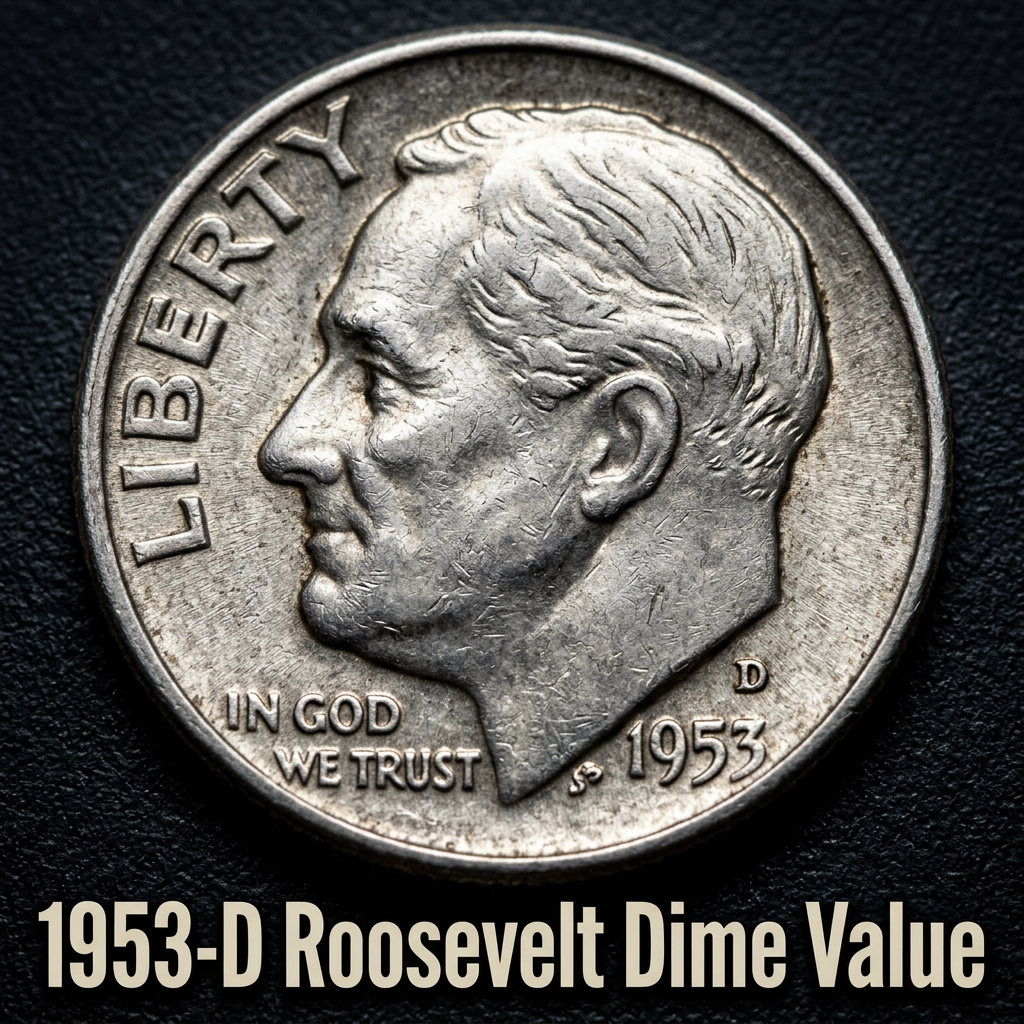
The 1908-S Barber Dime is worth anywhere from $15 in worn, Good condition to over $1,800 in high-end Mint State. This San Francisco minted silver coin is a favorite among collectors because it represents a period when American coinage favored classical Greek aesthetics and high-purity silver.
For a quick reference on what your pocket change might be worth, consult the table below:
| Condition | Estimated Value |
|---|---|
| Good (G-4) | $15 – $18 |
| Fine (F-12) | $55 – $65 |
| Extremely Fine (XF-45) | $140 – $165 |
| Uncirculated (MS-63) | $450 – $550 |
| Choice Uncirculated (MS-65+) | $1,800+ |
Understanding the History of the 1908-S Barber Dime
If you have just discovered an old silver dime in a drawer or a family heirloom box, you are likely holding a piece of early 20th-century Americana. Before you head to a coin shop, you might want to use the best coin identifier app to confirm the mint mark and general state of the coin. The Barber Dime series, named after its designer, Charles E. Barber, was produced between 1892 and 1916. Characterized by the classical bust of Liberty on the obverse, these coins were the workhorses of the American economy for decades.
In 1908, the San Francisco Mint struck 3,220,000 of these silver dimes. While this number might seem large, remarkably few survived in high grades. The “S” mint mark, found on the reverse side just below the wreath, signifies its origin at the prestigious San Francisco facility. During this era, San Francisco coins often had lower mintages than those from Philadelphia, making the 1908-S Barber Dime value generally higher than its Philadelphia counterpart.
Most of these coins saw heavy circulation. They were used to buy newspapers, bread, and milk, meaning they were passed from hand to hand until the designs were nearly rubbed flat. Finding one that still shows the fine details of Liberty’s headband or the individual leaves in the laurel wreath is a rare treat for any enthusiast. Using tools like the CoinHix app can help you compare your coin to high-resolution images of known grades to see how yours stacks up against the best.
Key Factors that Influence 1908-S Barber Dime Value
Not all 1908-S dimes are created equal. The primary driver of value is the “grade” or the physical condition of the coin. Because these coins are composed of 90% silver and 10% copper, they are relatively soft. Over time, the silver wears down, erasing the “LIBERTY” inscription on the headband and the intricate lines of the wreath. If your coin is so worn that the letters are missing, it is considered a “Good” or “About Good” specimen.
Another factor is the luster. A coin that has never been cleaned and still possesses its original mint frost will command a massive premium. Collectors strictly avoid coins that have been harshly cleaned with chemicals or abrasive cloths. If you see a coin that looks suspiciously shiny but lacks detail, it may have been cleaned, which actually decreases its market value significantly. For a detailed breakdown, you can check the 1908 silver dime price chart to see how different sub-factors play a role.
The presence of the “S” mint mark is vital. A 1908 dime with no mint mark (struck in Philadelphia) is much more common and generally worth less in circulated grades. However, the 1908-S Barber Dime value remains robust because of the San Francisco Mint’s reputation for quality strikes and its historical appeal to West Coast collectors. To ensure you aren’t missing any subtle details, the CoinHix app allows you to zoom in on the mint mark area to verify its authenticity.
| Grading Term | Visual Description | Price Range |
|---|---|---|
| About Good (AG-3) | Date is readable, but rims blend into letters. | $5 – $10 |
| Very Good (VG-8) | At least three letters of LIBERTY are visible. | $25 – $35 |
| Very Fine (VF-20) | All letters of LIBERTY are sharp and clear. | $80 – $110 |
| Mint State (MS-60) | No wear, but may have many bag marks. | $250 – $350 |
The Importance of the S Mint Mark Location
For new collectors, identifying the mint mark is the first step in unlocking the hidden potential of an old coin. On the Barber Dime, the mint mark is located on the reverse (the back) of the coin. Look directly below the bow that ties the wreath together. If you see a small, raised “S,” you have the San Francisco variant. If you see a “D,” it was struck in Denver. No letter at all indicates it was made in Philadelphia.
The San Francisco Mint in 1908 was transitioning into its new building, known as the “Granite Lady,” which was one of the few structures to survive the 1906 earthquake. Because of this history, coins from this era are highly sentimental. The 1908-S Barber Dime value is often bolstered by this historical connection, as collectors enjoy owning pieces of history that survived tumultuous times.
If the mint mark is difficult to see due to dirt or grime, do not scrub it! Even a light scrubbing can ruin the coin’s surface. Instead, use a magnifying glass or a high-quality camera to take a photo and upload it to the CoinHix community or identification tool. Professional collectors often pay hundreds of dollars more for a clear, well-struck mint mark compared to one that is blurry or filled.
Standard vs. Rare Varieties of the 1908-S Silver Dime
While there aren’t many major “errors” listed for this specific year and mint, collectors always look for “Repunched Mint Marks” (RPMs). An RPM occurs when the letter punch was struck into the die twice, resulting in a doubled appearance of the “S.” These are rare and can add a significant premium to the 1908-S Barber Dime value.
Another thing to look for is the strike quality. Some 1908-S dimes were struck with worn dies, leading to a “mushy” appearance even if the coin didn’t circulate much. Conversely, a “Full Band” or exceptionally sharp strike is highly coveted. When the horizontal lines in the wreath are perfectly distinct, the coin is considered a premium example of the San Francisco mint’s work.
In the world of high-stakes coin collecting, the “toning” of the silver also matters. Over 100 years, the 90% silver content reacts with sulfur in the air or in paper coin holders. This creates a rainbow-like patina of blues, golds, and purples. A beautifully toned 1908-S dime can sell for double the price of a standard white silver coin at a professional auction.
| Mint Mark | Mintage | Rarity Score |
|---|---|---|
| 1908-P (No Mint Mark) | 10,600,000 | Common |
| 1908-D (Denver) | 7,490,000 | Common/Uncommon |
| 1908-S (San Francisco) | 3,220,000 | Scarce in High Grade |
Tips for Selling Your 1908-S Barber Dime
If you’ve determined that your coin is in good shape, your next step is to find a reputable buyer. Avoid pawn shops if possible, as they usually pay only the “melt value” of the silver. The silver melt value of a dime is roughly $1.50 to $2.00 depending on the current market price, but as we’ve seen, the 1908-S Barber Dime value is significantly higher due to its numismatic (collector) value.
Local coin shops are a better bet, but they still need to make a profit. If you have a coin that looks like it is in “Extremely Fine” or “Uncirculated” condition, consider having it graded by a professional service like PCGS or NGC. A certified grade can increase the selling price by hundreds of dollars because it provides the buyer with a guarantee of authenticity and quality.
Online marketplaces like eBay are popular for selling silver coins, but they come with risks and fees. Before listing, check the “Sold” listings for 1908-S dimes to see what people are actually paying, rather than looking at the “Asking” prices. Being honest about the condition—mentioning any scratches, cleaning, or dings—will help you maintain a good reputation and ensure a smooth transaction.
Preserving the Value of Old Silver Coins
If you aren’t ready to sell yet, proper storage is crucial. The enemy of silver is moisture and air. Keeping your 1908-S dime in a PVC-free plastic flip or a specialized coin album will prevent the silver from tarnishing or developing “environmental damage.” Never store your coins in old cigar boxes or envelopes with high acid content, as this can corrode the surface over several years.
Handling is also important. Always hold the coin by its edges, rather than touching the flat faces. The oils from your fingertips can leave permanent marks that eventually turn into dark spots. For high-value coins, collectors often wear lint-free cotton gloves to ensure the metal remains pristine. Protecting the condition is the best way to ensure your 1908-S Barber Dime value continues to grow over the coming decades.
As the market for rare US coins continues to fluctuate, staying informed is key. Whether you are a casual hobbyist or a serious investor, tracking the value of your collection with modern technology makes the process much easier. It’s fascinating how a small piece of silver from 1908 can tell a story of American history while also serving as a valuable asset for your future.
FAQ
Q: Is the 1908-S Barber Dime made of real silver?
A: Yes, it is composed of 90% silver and 10% copper. This was the standard for American dimes, quarters, and half dollars until 1964. The silver content itself gives the coin a “floor” value, but its rarity as a San Francisco mint makes it worth much more to collectors.
Q: Where is the mint mark on a 1908-S Dime?
A: The “S” mint mark is located on the reverse side of the coin. If you look at the bottom of the coin, just below the tied part of the wreath and above the word “DIME,” you will see the small letter “S.”
Q: Why is my 1908-S Dime worth less than the price guide?
A: Price guides usually reflect coins that are “problem-free.” If your coin has been cleaned, has deep scratches, or has been used in jewelry (ex-jewelry), its value will be significantly lower than a coin with natural wear.
Q: How can I tell if my 1908-S Dime is Uncirculated?
A: An uncirculated (Mint State) coin will have no traces of wear on the highest points of the design. On the obverse, check the hair above Liberty’s forehead and the cheekbone. If those areas are shiny and show no flat spots, the coin may be Uncirculated.
Q: Should I clean my old 1908 silver dime to make it look better?
A: No! Never clean a collectible coin. Cleaning removes the original surface layers and creates microscopic scratches that collectors can easily spot. A cleaned coin is often worth 50-70% less than an uncleaned one in the same condition.