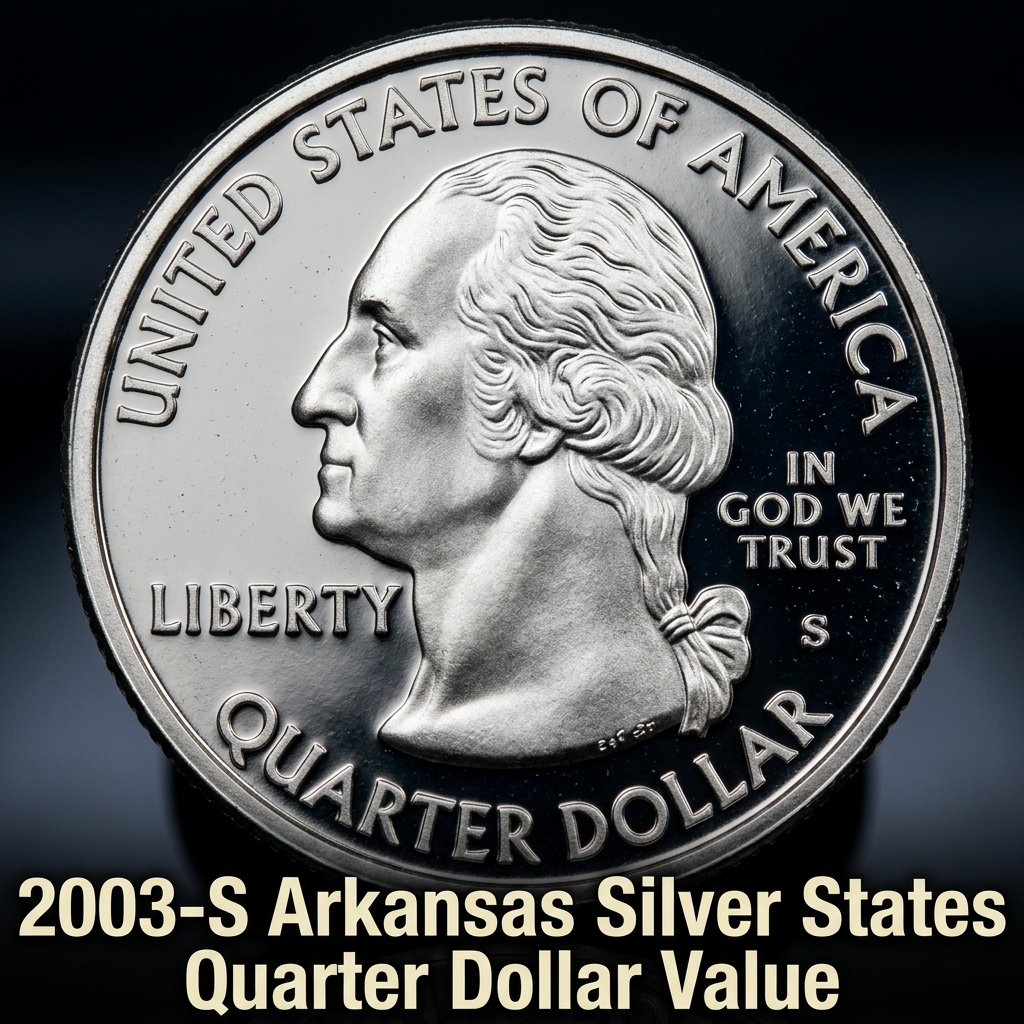
The 1924 VAM 8A Extra Hair Peace Dollar is worth anywhere from $45 in circulated condition to over $1,200 in high-grade mint state. This specific silver dollar is a favorite among variety collectors due to a unique die transformation that makes it stand out from standard 1924 coins.
| Condition | Estimated Value |
|---|---|
| Good to Very Fine (Circulated) | $45 – $65 |
| About Uncirculated (AU) | $75 – $110 |
| Mint State 63 (MS63) | $150 – $225 |
| Mint State 65 (Gem BU) | $550 – $1,300+ |
What Exactly is the 1924 VAM 8A Extra Hair Variety?
If you’ve recently found an old silver dollar in a drawer or inherited a collection, you might be looking for the best coin identifier app to help you figure out what you have. The 1924 VAM 8A is what numismatists call a “die gouge” variety. In the world of coin collecting, VAM stands for Van Allen-Mallis, the two experts who cataloged every known die variety of Morgan and Peace dollars.
The “8A” designation refers to a very specific set of markers on Lady Liberty’s head. Specifically, this variety features a distinct “Extra Hair” strand. This wasn’t part of the original design by Anthony de Francisci; instead, it was caused by a damaged or modified coin die. During the minting process, a deep scratch or gouge on the metal die resulted in extra metal being forced into that groove on every coin it struck. For the everyday person, this looks like a stray lock of hair flowing across the cheek or temple area.
Identifying these subtle differences is exactly why many hobbyists use the CoinHix app. It allows you to zoom in on high-resolution images to compare your coin against known “Attributed” varieties. While a standard 1924 Peace Dollar is common, discovering that yours is a VAM 8A can significantly increase its desirability and resale price.
Key Features and Identifying the Extra Hair Marker
To identify a 1924 VAM 8A, you need to look at the obverse (front) of the coin with a magnifying glass or a jeweler’s loupe. The primary marker is a raised line of silver that looks like an additional strand of hair extending from the bun down towards the ear and cheek. There are actually several “Extra Hair” VAMs for the 1924 year, but the 8A is one of the most prominent and sought-after by enthusiasts who specialize in Top 50 or Hot 50 Peace Dollar varieties.
Beyond the hair, you should also look for secondary markers. In the 8A variety, there is often a small die gouge or “blob” of metal near the “I” in the word “LIBERTY.” These tiny imperfections tell a story of a busy mint in Philadelphia nearly a century ago, where dies were used until they literally started to fall apart. This is why the 1924 Peace Dollar valuation can jump so drastically when these specific markers are present.
When checking your coin, remember that wear and tear can hide these features. If a coin has been circulated heavily, the “Extra Hair” might be rubbed smooth. This is why high-grade examples command such high premiums. Collectors want to see the sharp, crisp detail of the die error to prove its authenticity.
| Feature | Description |
|---|---|
| Primary Marker | Raised silver line (extra hair) near Liberty’s ear. |
| Secondary Marker | Die gouge or dot near the letter “I” in LIBERTY. |
| Mint Mark | None (Minted in Philadelphia). |
Grading and Condition: Why It Matters for Value
In the coin world, condition is everything. A 1924 VAM 8A in “Fine” condition might only sell for slightly above its silver melt value, whereas a “Mint State” version is a different story entirely. Because the 1924 Philadelphia strike is generally known for having a lustrous, beautiful finish, collectors expect a lot from high-grade survivors. If your coin still has its original “cartwheel” luster—that shimmering effect when you rotate it under a light—you likely have a valuable piece.
Professional grading by services like PCGS or NGC is highly recommended for this variety. A certified grade provides a guarantee of authenticity and quality. For example, the 1924 Peace Dollar MS grade pricing data shows a massive spike in value once a coin reaches MS65 or higher. At MS66, these coins become incredibly rare and can sell for several thousand dollars at specialized auctions.
If you are unsure whether your coin is worth the cost of professional grading, using a tool like CoinHix can help you estimate the grade at home. By comparing your coin’s surface marks, scratches, and luster to their database, you can make an informed decision on whether to spend the money on official certification.
The Market for Peace Dollar Varieties
The Peace Dollar series, minted from 1921 to 1935, was created to commemorate the end of World War I. While it doesn’t have as many recognized varieties as the older Morgan Dollar, the ones it does have—like the 1924 VAM 8A—are seeing a massive surge in interest. Modern collectors are moving away from just “filling holes” in an album and are instead focusing on “attributed” coins with unique errors.
This shift in the market means that “Extra Hair” dollars are more liquid than ever. You can find them listed on eBay, at local coin shows, or through major auction houses like Heritage Auctions. Because the VAM 8A is part of the “Top 50” Peace Dollar varieties, there is always a baseline of demand from specialists trying to complete a full VAM set.
Keep in mind that silver prices also play a role. Each Peace Dollar contains about 0.7734 ounces of pure silver. While the VAM variety adds “numismatic” value, the “melt” value provides a safety net for the coin’s price. When silver prices rise, even the low-grade VAM 8A coins will see a slight bump in their market value.
| Market Tier | Buyer Type | Typical Price Range |
|---|---|---|
| Raw/Ungraded | Casual Collectors / Silver Stackers | $40 – $100 |
| Certified (MS60-64) | Intermediate Collectors | $120 – $350 |
| Certified (MS65+) | Serious Investors / Registry Set Builders | $600 – $2,500+ |
How to Sell Your 1924 VAM 8A Extra Hair Dollar
If you’ve confirmed you have a 1924 VAM 8A and you’re ready to turn it into cash, you have several options. For the highest return, getting the coin graded is usually the first step, especially if it looks uncirculated. A graded coin is much easier to sell online because the buyer doesn’t have to guess about the condition or authenticity.
Selling to a local coin shop is the fastest way to get paid, but be prepared to receive a “wholesale” offer, which is usually 20-30% below the retail market value. Local dealers need to make a profit when they resell the coin. If you have time and patience, selling through an online auction platform or a collector forum can net you a better price.
Before you sell, make sure to use CoinHix to track recent realized auction prices. This gives you leverage during negotiations. If you know that a similar MS63 VAM 8A sold last week for $200, you won’t be talked into selling yours for $50. Knowledge is power in the coin market, especially when dealing with rare die varieties that the average pawn shop employee might not recognize.
FAQ
Q: Is every 1924 Peace Dollar an “Extra Hair” variety?
A: No. The vast majority of 1924 Peace Dollars are the standard design. The VAM 8A “Extra Hair” is a specific variety caused by a damaged die, and only a small percentage of the total mintage carries these specific marks.
Q: How can I tell the difference between a scratch on the coin and a die gouge?
A: A scratch on the coin’s surface is “incuse,” meaning it is pushed into the metal. A die gouge (like the Extra Hair) is “raised,” meaning the silver sits on top of the surface. If you rub your fingernail gently over it, you can often feel the raised bump of a die gouge.
Q: Does cleaning the coin affect the VAM 8A value?
A: Yes, drastically! Never clean your coins. Collectors prefer original surfaces, even if they are toned or dirty. Cleaning creates micro-scratches that ruin the numismatic value, often reducing a $500 coin to its silver melt value ($25-$30).
Q: Where is the mint mark on a 1924 Peace Dollar?
A: For the 1924 year, coins were minted in Philadelphia (no mint mark) and San Francisco (S mint mark). The VAM 8A variety specifically refers to the Philadelphia minted coins with no mint mark. The mint mark, if present, is located on the reverse (back) below the word “ONE.”