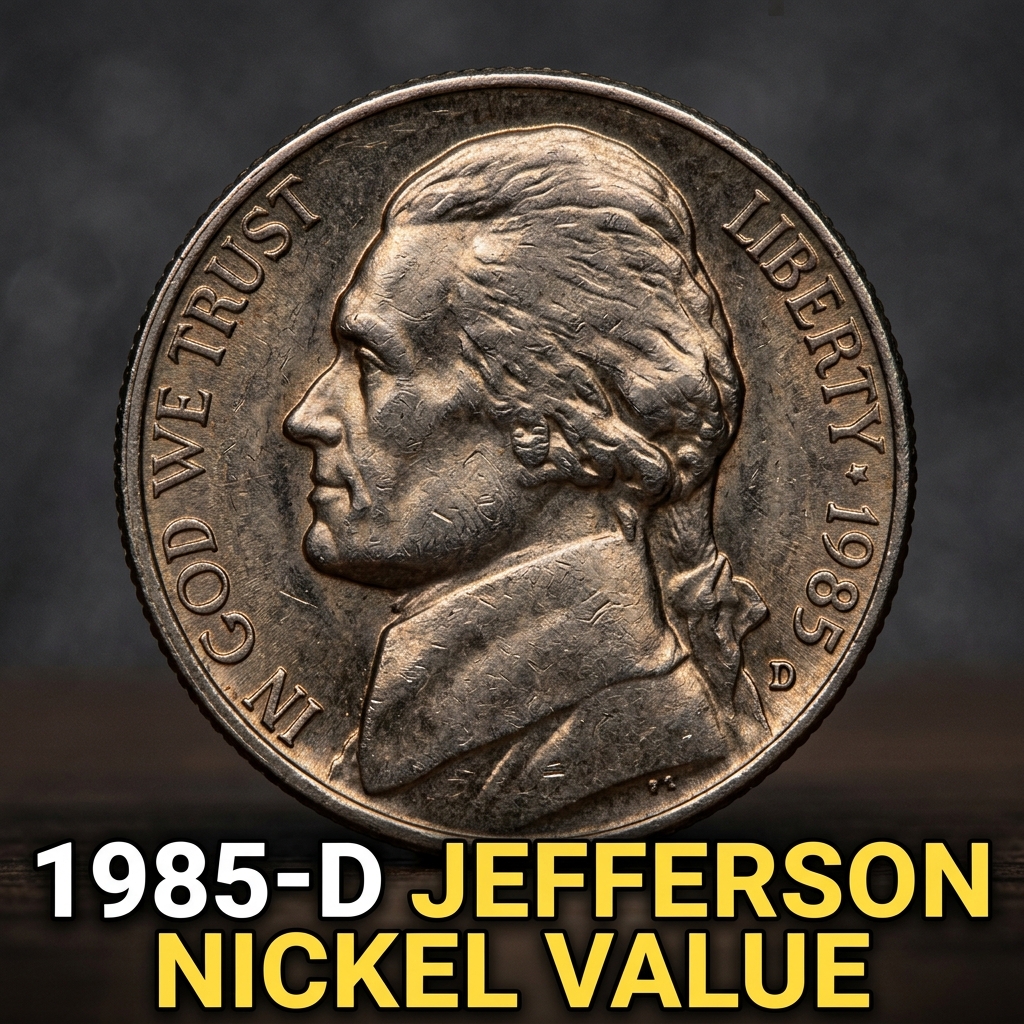
The 1942 Washington Quarter with no mint mark is worth anywhere from $6 in worn condition to over $15,000 for rare high-grade specimens. Whether you found one in a jar of change or inherited a collection, this silver classic remains a favorite among American collectors for its historical significance and high silver content.
| Condition | Estimated Value |
|---|---|
| Good to Very Good (G-VG) | $6 – $8 |
| Fine to Very Fine (F-VF) | $9 – $12 |
| Extremely Fine (XF45) | $15 – $20 |
| Uncirculated (MS60-MS63) | $30 – $55 |
| Gem Mint State (MS65+) | $100 – $15,000+ |
Identifying Your 1942 Washington Quarter No Mint Mark
When you examine a 1942 Washington Quarter, the first thing you might notice is the absence of a small letter on the reverse side. In the world of numismatics, the “no mint mark” designation indicates that the coin was struck at the Philadelphia Mint. During the 1940s, Philadelphia was the primary facility for U.S. coinage and typically did not use a mint mark on quarters. If you are unsure about the origin or authenticity of your find, using the best coin identifier app can help you confirm the variety and strike type within seconds.
The 1942 Philadelphia issue saw a massive production run of over 102 million coins. Because so many were produced, “average” circulated examples are quite common. However, finding these coins in “Mint State”—meaning they look exactly as they did the day they left the press—is a different story. Serious collectors often use tools like CoinHix to track market trends for these silver pieces, as the price can fluctuate based on the current spot price of silver and collector demand.
To correctly identify your coin, look at the bottom of the reverse (the eagle side), just above the “Quarter Dollar” text. If there is no “D” for Denver or “S” for San Francisco, you have the Philadelphia variety. Despite the high mintage, these coins are highly sought after because they represent the “War Time” era of American history, a period where every silver coin tells a story of the home front.
Silver Content and Melt Value of the 1942 Quarter
One of the most important things for everyday Americans to understand is that the 1942 Washington Quarter is not made of the same “sandwich” metal as modern quarters. These vintage coins are composed of 90% silver and 10% copper. This gives them an intrinsic “melt value” that acts as a price floor. Even if the coin is heavily worn, scratched, or dented, it will always be worth significantly more than its 25-cent face value because of its precious metal content.
As of current market rates, the silver in a single 1942 quarter is usually worth between $4.50 and $6.00. This value changes daily based on the global silver market. Many people who find these coins in old piggy banks are surprised to learn that they are holding a piece of bullion. When checking the 1942 quarter value, you should always take the silver spot price into account as your starting point for valuation.
It is vital not to clean your coins. Many beginners think that making a silver quarter shiny will increase its price, but the opposite is true. Cleaning a coin removes the original “luster” and creates microscopic scratches that professional graders can easily spot. A cleaned coin can lose 50% or more of its collector value instantly. If you want to see how your coin compares to uncleaned museum-quality pieces, you can browse through the CoinHix gallery to observe original mint “skin.”
| Metal Composition | Weight | Silver Content (oz) |
|---|---|---|
| 90% Silver, 10% Copper | 6.25 grams | 0.18084 troy oz |
Grading the 1942 Philadelphia Washington Quarter
Grading is the process of determining a coin’s physical condition, and it is the single most important factor in determining the final sale price. For the 1942 Washington Quarter No Mint Mark, the difference between a coin worth $10 and one worth $1,000 often comes down to tiny details invisible to the naked eye. Collectors use a 1-to-70 scale, where “1” is barely recognizable and “70” is perfection.
In “About Uncirculated” (AU) condition, your 1942 quarter will show very slight wear on the highest points of George Washington’s hair above the ear. Once a coin reaches “Mint State” (MS), it must have zero signs of wear from circulation. For those looking for the most accurate 1942 Washington Quarter MS price data, focusing on coins graded MS66 and above is where the real money is found.
High-grade 1942 quarters are prized for their “bloom” or “cartwheel effect”—a phenomenon where light dances across the surface of the silver in a rotating fashion. If your coin still has this frosty look, it might be worth sending to a professional grading service like PCGS or NGC. A 1942 Philadelphia quarter graded MS68 sold at auction for over $17,000, illustrating how condition truly dictates value in the high-end market.
Rare 1942 Quarter Errors and Varieties
While the standard 1942 Washington Quarter is common, there are several “errors” that can turn a $6 coin into a windfall. The most famous for this year involve the 1942-D (Denver) variety, but the Philadelphia “no mint mark” coins also have unique anomalies. One of the most sought-after is the “Double Die Obverse” (DDO). This occurs when the die used to strike the coin has a doubled image, which is then transferred to the coin itself.
On a 1942 DDO quarter, look closely at the words “IN GOD WE TRUST” and the date. You might see a faint ghosting or doubling of the letters. Another interesting variation is the “Struck Through” error, where a foreign object (like a piece of thread or grease) gets between the die and the coin blank, leaving a strange indentation or a blurry area on the design. These errors are rare and often require a magnifying glass to confirm.
If you believe you have found an error, the CoinHix app can be a great resource to compare your coin’s features with known error catalogs. Error collectors pay a premium for these mistakes because they are unique “accidents” of the minting process. Even a minor doubling can double or triple the value of an otherwise standard uncirculated coin.
| Error Type | Description | Value Premium |
|---|---|---|
| Double Die Obverse (DDO) | Doubling on “In God We Trust” | High ($100 – $500+) |
| Die Crack | Raised lines from a broken die | Low ($5 – $20 additional) |
| Off-Center Strike | Design shifted significantly | Moderate ($50 – $200+) |
Where to Sell Your 1942 Silver Quarter
Once you’ve identified the grade and potential errors of your 1942 Washington Quarter, you might be wondering where to sell it. For common, circulated silver quarters, a local coin shop is often the easiest route. They will typically pay you a percentage of the silver melt value. While you won’t get “full retail,” it is a quick and safe way to turn your coins into cash.
For higher-grade uncirculated coins or confirmed errors, online marketplaces like eBay or specialized numismatic auctions are better options. These platforms allow you to reach a global audience of collectors who are willing to pay a premium for quality. When listing your coin, ensure you have high-resolution photos that show both sides clearly, especially the lack of a mint mark and the hair detail on Washington’s head.
Always be wary of “too good to be true” offers. The coin market is established, and prices generally follow the guides found on CoinHix. If you have a group of quarters, selling them as a “lot” can sometimes save on shipping and fees, but if you have one standout gem, it is always worth selling it individually to maximize your return.
Collector Demand and Historical Context
The 1942 Washington Quarter holds a special place in the hearts of those who collect “War Nickels” and “War Silver.” 1942 was the first full year of United States involvement in World War II. During this time, the Mint was working around the clock to provide enough coinage for an economy that was rapidly expanding due to the war effort. The high mintage numbers reflect this frantic pace.
Because many of these coins were used heavily in the wartime economy to buy supplies, candy, and newspapers for soldiers, finding one that didn’t get worn down is a treat. Collectors enjoy the 1942 Philadelphia issue because it completes the “World War II set” of quarters. It represents a time of American resilience and industrial might.
As the years go by, the supply of high-quality 1942 quarters slowly diminishes as they are tucked away in private collections or lost to time. This makes the remaining “Mint State” specimens more valuable every year. Whether you are a hobbyist or someone who just happened to find a silver quarter, you are holding a tangible piece of 1940s Americana that will likely continue to appreciate in value.
| Mintage Year | Total Struck (Philadelphia) | Historical Note |
|---|---|---|
| 1942 | 102,096,000 | First full year of WWII production |
FAQ
Q: Why doesn’t my 1942 quarter have a mint mark?
A: In 1942, quarters minted at the Philadelphia Mint did not feature a mint mark. This is normal and simply identifies the coin as being struck at the nation’s main mint facility.
Q: What is the “melt value” of a 1942 quarter?
A: The melt value is the price of the actual silver contained in the coin. Since it is 90% silver, it is usually worth about 18 to 22 times its face value, depending on the current market price of silver.
Q: Is a 1942 quarter rare?
A: Standard circulated 1942 Philadelphia quarters are not rare, as over 100 million were made. However, coins in “Proof” condition or those with exceptional Mint State grades (MS67 or higher) are very rare and valuable.
Q: Should I clean my silver quarter to make it worth more?
A: No! Never clean a collectible coin. Cleaning removes the original surface finish and significantly lowers the value to collectors. If you must remove dirt, use only mild soap and water without rubbing.