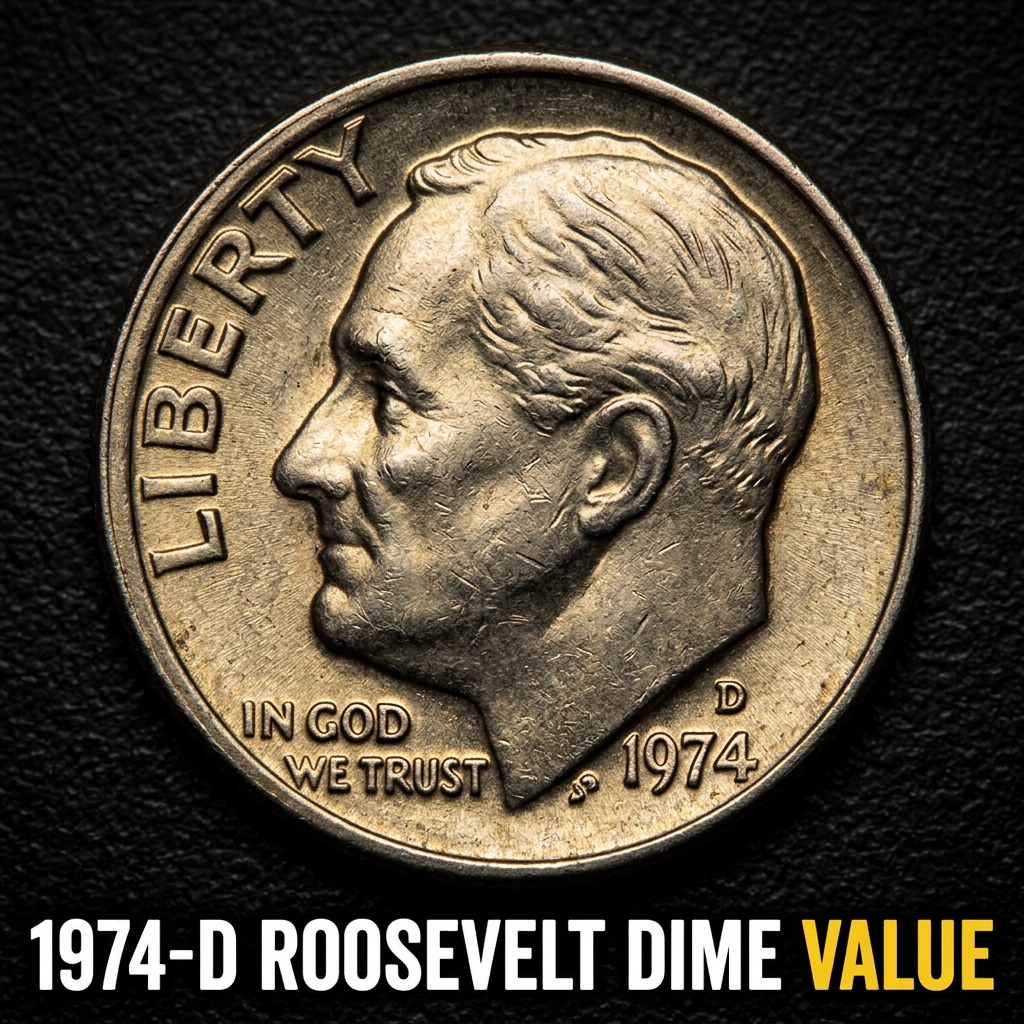
The 1999-S Connecticut State Quarter is worth anywhere from $5 in Proof condition to over $1,200 for rare Silver Deep Cameo specimens. Whether you found one in a mint set or tucked away in a drawer, this guide will help you determine its true market value.
| Condition / Type | Estimated Value |
|---|---|
| Clad Proof (PR69) | $5 – $8 |
| Clad Proof (PR70) | $25 – $40 |
| Silver Proof (PR69 DCAM) | $15 – $20 |
| Silver Proof (PR70 DCAM) | $45 – $90 |
Understanding the 1999-S Connecticut Quarter History
The 1999 Connecticut quarter is the fifth coin released in the historic 50 State Quarters Program. This specific issue features the famous Charter Oak, an integral symbol of American independence and Connecticut’s local heritage.
While millions of quarters were struck for circulation in Philadelphia and Denver, the “S” mint mark indicates the coin was produced at the San Francisco Mint. If you are unsure about the origin or specific rarity of your find, using the best coin identifier app can quickly clarify what you have in your hand.
San Francisco exclusively minted “Proof” coins for collectors during this era. These coins were never meant to be spent at a grocery store. Instead, they were sold in specially packaged sets.
However, over the years, many of these sets have been broken open. This is why you might occasionally find a 1999-S Connecticut quarter in your pocket change, though it is quite rare. If it looks shinier and more detailed than a standard quarter, you likely have a proof.
Clad vs. Silver: Which 1999-S Connecticut Quarter Do You Have?
One of the most important factors in determining your coin’s worth is the metal composition. In 1999, the San Francisco Mint produced two versions of the Connecticut quarter: a Copper-Nickel Clad version and a 90% Silver version.
The visual difference can be subtle to the untrained eye. Clad coins have a copper stripe visible on the edge, while Silver versions have a solid silver edge. If you aren’t confident in your visual inspection, scanning your coin with CoinHix can provide instant feedback on potential variations.
The silver version is naturally more valuable because of its precious metal content, regardless of its collector appeal. However, high-grade examples of both can command a premium from serious numismatists looking to complete “Registry Sets.”
| Metal Composition | Mintage Figure | Weight |
|---|---|---|
| Copper-Nickel Clad | 3,713,359 | 5.67 grams |
| 90% Silver | 804,565 | 6.25 grams |
Grading the 1999-S Connecticut State Quarter Value
In the world of coin collecting, condition (or “grade”) is everything. Proof coins are graded on a scale from 1 to 70. For the 1999-S issue, most coins found today are in PR68 or PR69 condition.
A “PR70” grade is considered perfection. Under 5x magnification, the coin must show no scratches, fingerprints, or manufacturing flaws. To track the latest Connecticut quarter price trends for high-grade specimens, collectors often look at auction results from major houses like Heritage Auctions.
Deep Cameo (DCAM) is another term you will see. This refers to the contrast between the frosted design (the tree) and the mirror-like background. The sharper the contrast, the higher the value.
Most casual finds will be “impaired proofs” if they have been circulated. These are usually worth only a few dollars. However, if your coin is still in its original US Mint plastic casing, it likely retains its full proof value.
The “Deep Cameo” Difference for Silver Quarters
The 1999-S Silver Connecticut Quarter is a favorite among collectors because 1999 was the first year of the Statehood series. Because it was the inaugural year, many people saved these coins, yet finding one in perfect “Deep Cameo” condition remains a challenge.
The silver content adds a “floor” to the value. Even if the coin is scratched, it is still worth its weight in silver. When silver prices rise, the market price for 1999-S silver quarters increases proportionally.
For those looking to invest, CoinHix offers tools to track these fluctuations so you know exactly when to sell or buy. For the 1999-S Silver Connecticut, a PR70 Deep Cameo can sell for over $100 depending on the grading company (PCGS or NGC).
| Grade (Silver Only) | Recent Auction Average |
|---|---|
| PR67 Deep Cameo | $12 |
| PR68 Deep Cameo | $16 |
| PR69 Deep Cameo | $25 |
| PR70 Deep Cameo | $85+ |
Rare Errors and Varieties to Look For
While the 1999-S Connecticut Quarter is primarily known for its proof finishes, errors can occur. In the numismatic world, an error on a proof coin is exceptionally rare because the Mint’s quality control for proof sets is incredibly strict.
One known area of interest is the “Double Die” variety. If you notice doubling in the letters of “United States” or in the lines of the Charter Oak tree, you might have a significant rarity. Using CoinHix to magnify and compare your coin against known error photos is a great first step.
Another potential error is a “struck through” error, where a piece of debris gets between the die and the coin blank. While rare for the 1999-S series, such an error could push the value into the hundreds of dollars for a lucky collector.
Always handle your proof quarters by the edges. The oils from your skin can permanently damage the mirror finish, which significantly reduces the value of even the rarest error coin.
Where to Sell Your Connecticut Quarter
If you discover that your 1999-S quarter is a high-grade silver specimen or a rare error, you have several options for selling. For common clad proofs worth $5-$10, local coin shops or eBay are your best bets.
For high-value PR70 coins, consider professional auction houses. Before selling, it is vital to have the coin “slabbed” (authenticated and graded) by a service like PCGS or NGC. This certification guarantees the grade to potential buyers, ensuring you get the maximum possible price.
Many everyday Americans use apps to get a baseline price before visiting a dealer. Knowing the current 1999-S Connecticut State Quarter value helps you negotiate from a position of knowledge, ensuring you don’t sell a $50 coin for “face value.”
FAQ
Q: How can I tell if my 1999-S quarter is silver or clad?
A: The easiest way is to look at the edge of the coin. If you see a copper-colored stripe, it is a clad coin worth less. If the edge is solid silver/white, it is likely the 90% silver version. You can also weigh it: silver quarters weigh 6.25 grams, while clad quarters weigh 5.67 grams.
Q: Is a 1999-S Connecticut quarter rare?
A: It is not “rare” in the sense that millions were made, but it is “scarce” compared to the billions of quarters made for circulation. Because they were only sold in sets, you won’t usually find them in your pocket change unless someone accidentally spent a collector’s item.
Q: What is the most expensive 1999-S Connecticut quarter ever sold?
A: High-grade specimens in PR70 Deep Cameo have sold for significant amounts. While standard silver proofs go for under $100, unique errors or perfectly toned examples can occasionally fetch several hundred dollars at specialized numismatic auctions.
Q: Should I clean my 1999-S proof quarter to make it worth more?
A: No! Never clean a coin, especially a proof coin. Cleaning creates microscopic scratches that destroy the “mirror” finish and can reduce the value by 50% or more. If the coin is dusty, leave it as is or consult a professional.