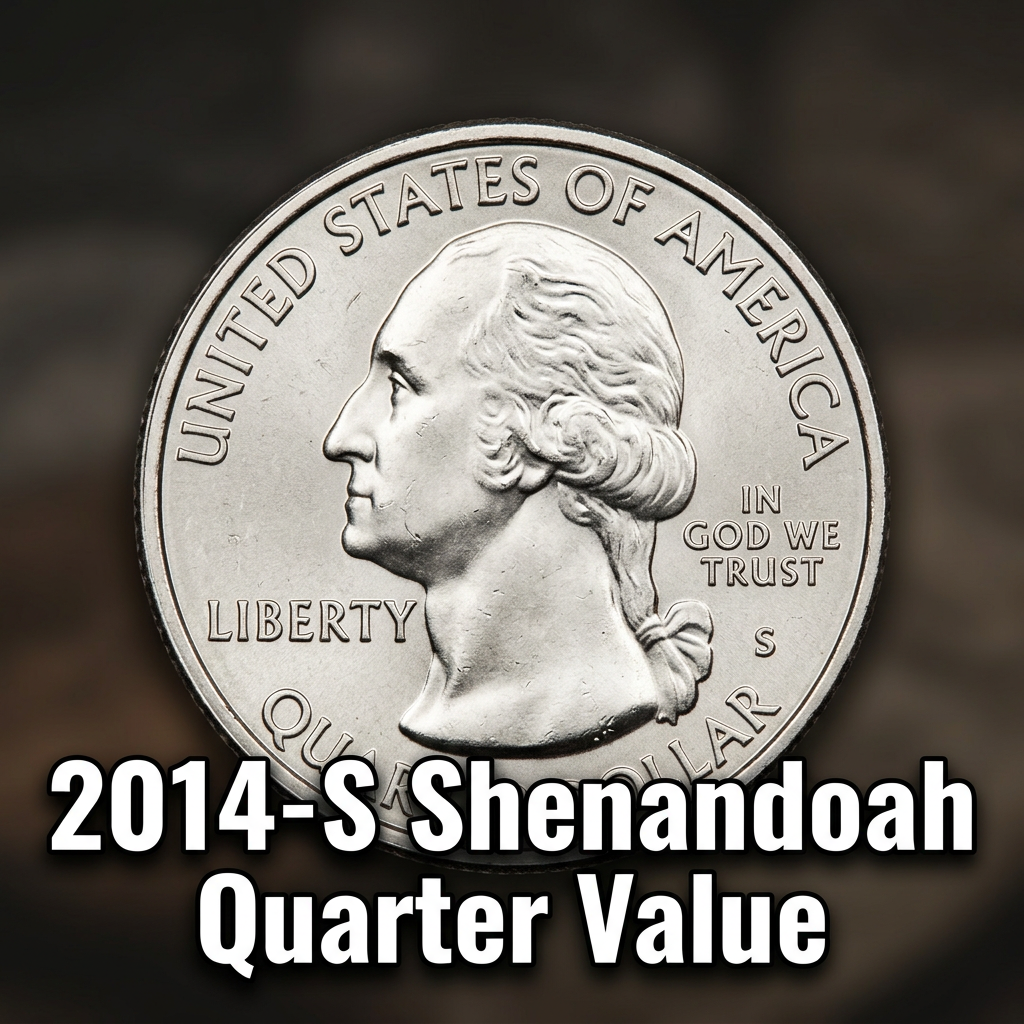
The 1999-S Roosevelt Dime is worth anywhere from $3 in typical Proof condition to over $35 for deep cameo specimens. While you won’t retire on its value, this shiny, mirror-like coin is a favorite among collectors who enjoy modern US Mint craftsmanship and high-grade varieties.
| Condition / Grade | Estimated Value |
|---|---|
| PR 65 (Standard Proof) | $2.00 – $4.00 |
| PR 69 Deep Cameo | $5.00 – $8.00 |
| PR 70 Deep Cameo (Perfect) | $25.00 – $45.00 |
| Silver Proof (90% Silver) | $6.00 – $12.00 |
Understanding the 1999-S Roosevelt Dime Production
If you find a 1999 dime with an “S” mint mark, you have found a Proof coin. Unlike the dimes minted in Philadelphia (P) or Denver (D) for everyday transactions, the San Francisco (S) mint produced these specifically for collectors. These coins were never intended to buy a soda or a candy bar; they were sold in protective plastic sets by the United States Mint.
Finding one in your pocket change is rare, but it does happen when someone breaks open a set to spend the money. To determine if your find is truly special or just a common circulation piece, using the best coin identifier app can save you hours of manual research. Most casual observers are struck by the coin’s mirror-like background and frosted portrait, which are hallmarks of the proofing process.
In 1999, the US Mint was in full swing with its modern production techniques. Because proof coins are handled with extreme care, many 1999-S dimes survive today in near-perfect condition. However, “near-perfect” is not the same as “flawless” in the eyes of a professional grader. If you are ever in doubt, the CoinHix app can help you compare your coin’s luster and strike against high-resolution gallery images.
Composition Differences: Clad vs. Silver Proofs
One of the most important things to know about the 1999-S Roosevelt Dime value is that there are actually two distinct versions. The first is the standard “Clad” version. This coin is made of a core of pure copper, bonded to outer layers of 75% copper and 25% nickel. You can usually tell these apart by looking at the edge of the coin; if you see a copper stripe, it’s likely a clad dime.
The second version is the 90% Silver Proof. In 1999, the US Mint continued its tradition of offering silver sets for collectors who preferred precious metals. These silver dimes contain 0.07234 troy ounces of pure silver. The edge of a silver dime will be solid silver-white with no copper stripe visible. This difference in metal content significantly changes the baseline value of the coin, especially when silver prices are high.
| Feature | Clad Proof (Composition) | Silver Proof (Composition) |
|---|---|---|
| Metal Content | Copper-Nickel Clad | 90% Silver, 10% Copper |
| Weight | 2.27 Grams | 2.50 Grams |
| Edge Appearance | Orange/Brown Stripe | Solid White/Silver |
Grading and the Quest for PR 70 Deep Cameo
When discussing the 1999-S Roosevelt Dime value, professional grading is the ultimate factor. Coins are graded on a 70-point scale. A “Proof 70” (PR 70) represents a perfect coin with no visible flaws under 5x magnification. For modern proofs like the 1999-S, the most desirable specimens also carry the “Deep Cameo” (DCAM) designation.
A Deep Cameo coin has a very stark contrast between the frosted, white-looking portrait of Franklin D. Roosevelt and the deep, dark, mirror-reflectant fields in the background. If your coin looks almost like a black-and-white photograph because of the contrast, you might have a high-value DCAM. You can look up the current market trends for high-grade Roosevelt dimes to see how prices fluctuate based on these tiny details.
Most 1999-S dimes found in unkept collections will grade around PR 67 or PR 68. These are worth very little over their face value or silver melt value. However, the jump from PR 69 to PR 70 can triple the price. Collectors use tools like CoinHix to track auction results and ensure they aren’t overpaying for common grades while searching for those rare “perfection” grades.
What Makes a 1999-S Dime Valuable to Collectors?
If the coin isn’t a rare year, why do people collect it? The 1999-S Roosevelt Dime is part of the long-running series that began in 1946. Many collectors aim to build a “Registry Set,” which is a collection of every single date and mint mark in the highest grade possible. Because millions of these were minted, the challenge isn’t finding the coin—it’s finding the perfect coin.
Beyond the grade, collectors also look for “Toning.” This is a natural oxidation process that can turn the silver or clad surface into a rainbow of colors. Vibrant blues, pinks, and golds on a 1999-S proof can actually drive the price higher than a standard white coin. A beautifully toned silver proof is a work of art that can fetch a premium at auction.
To get a better sense of how date and mint mark combinations affect the market, you can review the comprehensive 1999 dime value data. For the 1999-S specifically, the value is sustained by steady demand from hobbyists who need this piece to complete their late 20th-century proof collections.
1999-S Roosevelt Dime Error Coins
Errors on modern Proof coins are exceptionally rare because the US Mint’s quality control for proof sets is incredibly strict. However, mistakes do slip through. Because proof dies are polished and handled manually, any error found on a 1999-S Roosevelt Dime is potentially worth hundreds or even thousands of dollars.
Some errors to look for include “Double Dies,” where the letters or numbers appear doubled, or “Off-Center Strikes,” where the design is pushed to one side. Since these coins are struck at least twice to bring out the details, a “Double Strike” error is also possible. These errors are so rare for the “S” mint that seeing one usually requires authentication by a service like PCGS or NGC.
While you’re checking your coins for errors, don’t forget to use CoinHix to log your findings. The app can help you organize your collection and keep track of which coins might need a professional opinion. An error on a proof coin is the “holy grail” for modern dime hunters.
| Error Type | Description | Potential Value |
|---|---|---|
| Repunched Mint Mark | The ‘S’ appears doubled or shifted. | $20 – $50 |
| Struck Through | Debris caught between die and coin. | $50 – $150 |
| Broadstrike | Struck outside the collar, coin is flat. | $100+ |
How to Store and Protect Your 1999-S Dime
Because the value of the 1999-S Roosevelt Dime is highly dependent on its “perfection,” storage is critical. If your dime is currently in its original government packaging (OGP), it is best to leave it there. Breaking it out of the plastic lens exposes it to humidity, skin oils, and potential scratches. Fingerprints on a proof coin are permanent and will lower the grade significantly.
If you have a loose 1999-S dime, use a PVC-free “flip” or a hard plastic capsule. Avoid keeping them in coffee cans or loose jars where they can rub against other coins. Rubbing creates “hairlines”—tiny scratches that are the enemy of proof grades. Even a single hairline can drop a coin from a PR 70 to a PR 64 instantly.
Keeping your coins organized digitally is just as important as physical storage. By using an app like CoinHix, you can take photos of your 1999-S dimes and keep a record of their condition and purchase price. This makes it much easier to track your collection’s total value over time as market prices for silver and rare grades fluctuate.
Summary of the 1999-S Roosevelt Dime
In summary, while the 1999-S Roosevelt Dime isn’t a “lottery ticket,” it is a beautiful specimen of American numismatic history. Whether it’s the standard clad version or the 90% silver variety, it represents the high production standards of the San Francisco Mint at the turn of the millennium.
For the average person who finds one, it’s a great “gateway” coin to the world of collecting. It teaches us about the difference between circulation coins and strikes meant for collectors, the importance of metal composition, and the nuance of professional grading. Keep an eye out for that “S” mint mark—it’s a sign of a coin that was meant to be admired.
FAQ
Q: How can I tell if my 1999-S dime is silver?
A: The easiest way is to look at the edge (the rim) of the coin. If you see a sandwich of copper (orange/brown color), it is a clad dime. If the edge is solid silver-white with no copper visible, it is a 90% silver proof dime. Additionally, a silver dime weighs 2.5 grams, while a clad dime weighs 2.27 grams.
Q: Why is there an “S” on my 1999 dime?
A: The “S” stands for the San Francisco Mint. In 1999, the San Francisco Mint only produced “Proof” coins. These were made using specially polished dies and blanks to create a high-quality, mirror-like finish intended for collectors rather than for general circulation.
Q: Is a 1999-S Roosevelt Dime rare?
A: While they were not made for circulation, they are not “rare” in the sense of low production. Over 3 million clad proof sets and over 800,000 silver proof sets were sold in 1999. They are “uncommon” to find in your change, but quite common in the coin collecting market.
Q: What is the highest price ever paid for a 1999-S Roosevelt Dime?
A: Perfect PR 70 Deep Cameo specimens sometimes sell for $40 to $100 depending on the current market and the grading service (PCGS usually commands a higher premium than others). Error versions, if found, could potentially sell for much more.