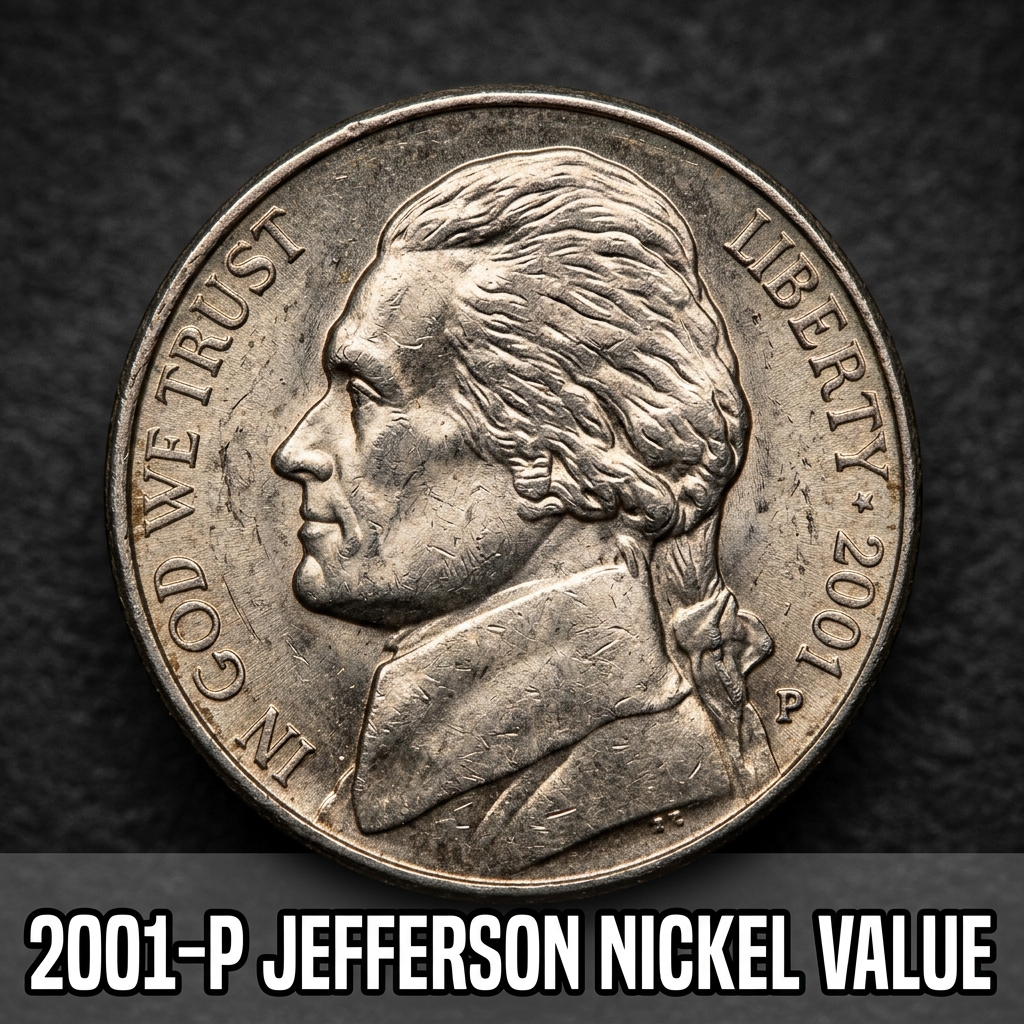
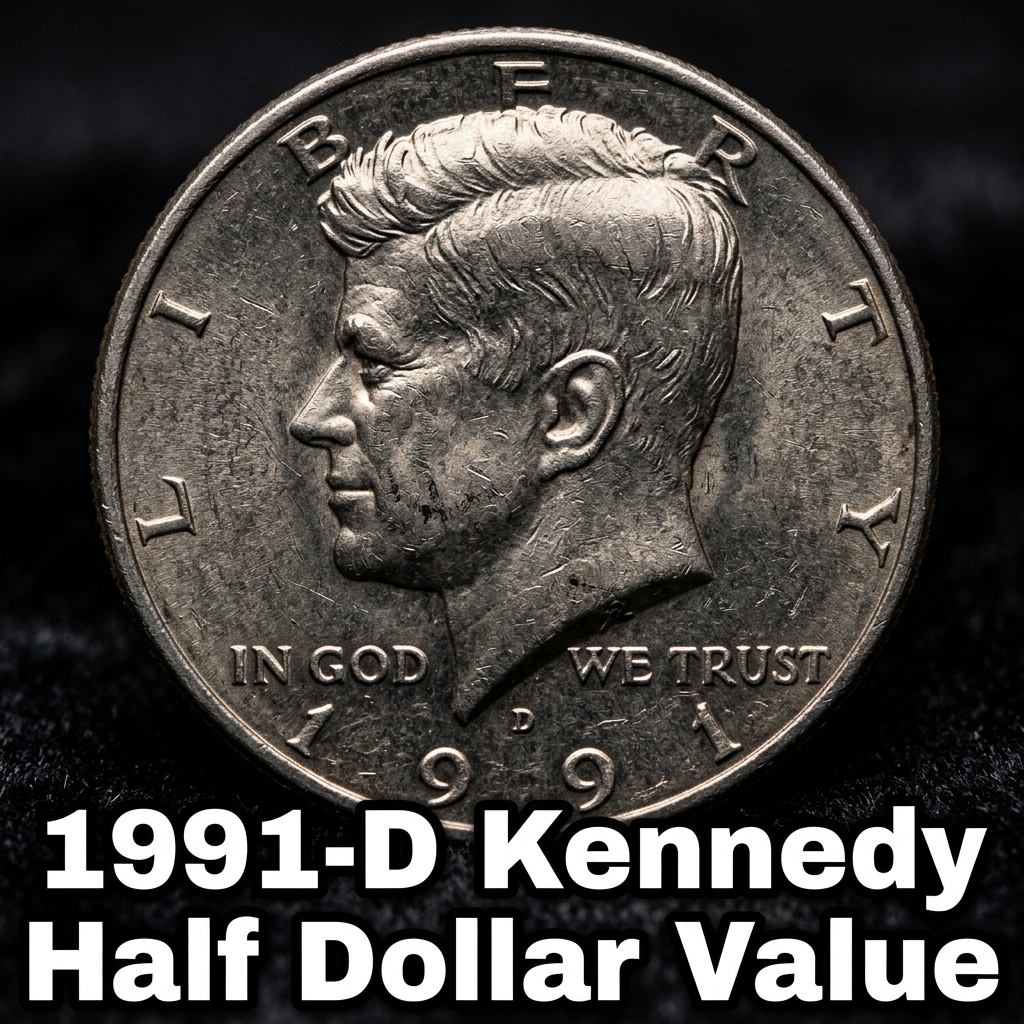
The 1908-D Barber Quarter is worth anywhere from $10 in heavily worn condition to over $1,200 in pristine mint state. This classic American silver coin, minted in Denver, serves as a fascinating piece of history that many people find tucked away in old jars or inherited collections.
| Condition Grade | Estimated Market Value |
|---|---|
| Good (G-4) | $10 – $14 |
| Very Fine (VF-20) | $45 – $60 |
| Extremely Fine (XF-40) | $110 – $140 |
| Uncirculated (MS-63) | $450 – $550 |
Understanding the History of the 1908-D Barber Quarter
If you’ve recently come across an old silver coin featuring a powerful-looking Lady Liberty, you likely have a “Barber” coin. Named after its designer, Charles E. Barber, this series was produced between 1892 and 1916. By 1908, the Denver Mint (noted by the “D” mark) was in full swing, producing millions of these silver quarters to satisfy the demands of a growing American economy.
Finding a 1908-D Barber Quarter is an exciting moment for any beginner collector. While they aren’t as rare as the famous 1901-S, they hold significant value because they are composed of 90% silver. If you are unsure if your coin is authentic or if you want an instant valuation, using the best coin identifier app can help you distinguish between various mint marks and years.
Many of these coins were circulated heavily, meaning they were used to buy groceries, newspapers, and movie tickets for decades. Because they saw so much use, finding one in “Mint State” (meaning it looks brand new) is quite rare today. Most people will find their 1908-D quarter in “Good” or “Very Good” condition, where the details of Liberty’s hair and crown are worn smooth. Even in these humble conditions, the coin’s silver content alone gives it a baseline value.
The Significance of the “D” Mint Mark on the 1908 Quarter
The “D” on your coin stands for Denver, Colorado. In 1908, the Denver Mint produced 5,788,000 quarters. While this sounds like a large number, it is actually a relatively moderate mintage compared to some of the Philadelphia issues of the era. The location of the mint mark is crucial for determining the 1908-D Barber Quarter Dollar Value.
To find the mint mark, flip your coin over to the reverse (the “tails” side). Look just below the eagle’s tail feathers and above the letters “R” and “T” in the word “QUARTER.” If you see a small letter “D,” you have a Denver coin. If the space is blank, it was minted in Philadelphia. If there is an “S,” it came from San Francisco.
Collectors often seek out specific mint marks to complete their sets. The Denver issues from 1908 are popular because they represent the rugged expansion of the United States. Many collectors use the CoinHix app to catalog their finds and track how Denver-minted silver coins fluctuate in price based on current silver spot prices and collector demand.
| Mint Location | Mintage Quantity | Rarity Level |
|---|---|---|
| Philadelphia (No Mint Mark) | 4,232,000 | Common |
| Denver (D) | 5,788,000 | Common/Moderate |
| San Francisco (S) | 784,000 | Scarce |
How to Grade Your 1908-D Barber Quarter at Home
Grading is the process of determining a coin’s condition. For the 1908-D Barber Quarter, the difference between a “Very Good” coin and an “Extra Fine” coin can be hundreds of dollars. You don’t need to be a professional to get a general idea of your coin’s grade, though high-value items should always be authenticated by services like PCGS or NGC.
First, look at Liberty’s head on the front. On a coin in “Good” condition, the word “LIBERTY” on the headband will be almost entirely worn away. If you can see three or four letters clearly, you are likely in the “Very Good” (VG-8) range. If all six letters are sharp and clear, your coin is likely “Fine” (F-12) or better.
The reverse side is equally important. Look at the eagle’s breast feathers and the tips of the wings. In higher grades, these feathers will be distinct and individual. If the eagle looks like a flat silhouette, the coin is in lower circulated condition. Tracking these details is easier with tools like CoinHix, which provides high-resolution images for comparison to help you grade your own collection.
Current Market Trends for 1908-D Quarter Dollar Prices
The market for Barber silver has remained remarkably stable over the last decade. Because these coins are 90% silver, they have an intrinsic “melt value.” However, the numismatic (collector) value of the 1908-D usually far exceeds the raw silver price. As of 2024, the demand for mid-grade Barber Quarters is rising as more people look to hedge against inflation with tangible assets.
If you are curious about similar coins from that era, you might also be interested in the 1908 silver dime price trends, as the Barber Dime was minted alongside the quarter and shares many of the same design characteristics. Often, collectors who enjoy the quarter will also collect the dime and half dollar from the same year.
For an uncirculated (Mint State) 1908-D quarter, prices can jump significantly. A coin graded MS-65 can sell for over $1,500 at auction. These “gems” are prized for their original luster—the way light dances across the surface of the silver. If your coin still looks shiny and “white” rather than grey and dull, you may have a very valuable specimen on your hands.
| Grade Detail | Key Features to Look For | Avg. Price |
|---|---|---|
| Good-4 | Heavy wear; rims worn into the design. | $10 |
| Fine-12 | Entire word LIBERTY is visible on the crown. | $35 |
| AU-50 | Nearly new; slight wear on high points. | $250 |
Identifying Rare Varieties and Errors in 1908 Quarters
While the standard 1908-D is a great find, collectors always keep an eye out for “varieties.” These are coins that were struck from slightly modified or damaged dies, making them unique. While no major “doubled die” errors are widely famous for the 1908-D, subtle variations in the placement of the mint mark can sometimes interest specialists.
Repunched mint marks (RPM) occur when the “D” was punched into the die more than once, creating a blurred or doubled appearance of the letter. This is a tiny detail that usually requires a magnifying glass or a digital microscope. If you think you see something unusual on your coin, apps like CoinHix can help you zoom in and compare your coin with known error lists.
Additionally, look for “die cracks”—thin, raised lines on the surface that occur when the metal die begins to break. While common on older coins and not always adding value, large or dramatic die cracks can sometimes command a premium from error collectors. Always handle your coin by the edges to avoid getting finger oils on the surface, which can lead to “toning” or corrosion over time.
Where to Sell Your 1908-D Barber Quarter Dollar
If you’ve determined that your coin is worth a significant amount, your next step is deciding whether to keep it or sell it. For coins worth under $50, local coin shops or online marketplaces like eBay are often the easiest route. Be prepared for a dealer to offer you slightly less than the “book value,” as they need to make a profit.
For high-grade examples (XF and above), consider getting the coin professionally graded. A certified coin in a plastic “slab” often sells for much more because the buyer has a guarantee of its authenticity and condition. Major auction houses like Heritage Auctions or GreatCollections are the best venues for selling 1908-D quarters that are in near-perfect condition.
Before selling, research recent “sold” listings rather than just looking at “asking” prices. This gives you a realistic view of what people are actually paying. Modern collectors frequently use digital inventories to track their sales, and having your coin identified and logged in an app ensures you don’t accidentally sell a rare variety for the price of a common one.
FAQ
Q: Is the 1908-D Barber Quarter made of real silver?
A: Yes, all Barber Quarters minted in 1908 are made of 90% silver and 10% copper. This gives them a significant value regardless of their condition, purely based on their metal content.
Q: How can I tell if my 1908 quarter is from the Denver Mint?
A: Look on the reverse side (the tail side) just above the words “QUARTER DOLLAR.” If you see a small “D,” it was minted in Denver. If there is no letter, it was minted in Philadelphia.
Q: Should I clean my 1908-D Barber Quarter to make it look better?
A: No! You should never clean old coins. Cleaning creates microscopic scratches that collectors can easily spot, and it can reduce the value of a coin by 50% or more. Leave the natural patina (darkening) on the coin.
Q: What is the most expensive 1908-D Barber Quarter ever sold?
A: High-grade specimens in MS-67 condition have sold for over $5,000 at professional auctions. However, these are exceptionally rare and usually found only in elite collections.
Q: Why does the value vary so much between different 1908-D quarters?
A: The value is primarily driven by the “Grade” (condition). Because silver is a soft metal, it wears down quickly. A coin that was kept in a drawer for 100 years is worth significantly more than one that spent 20 years in people’s pockets.