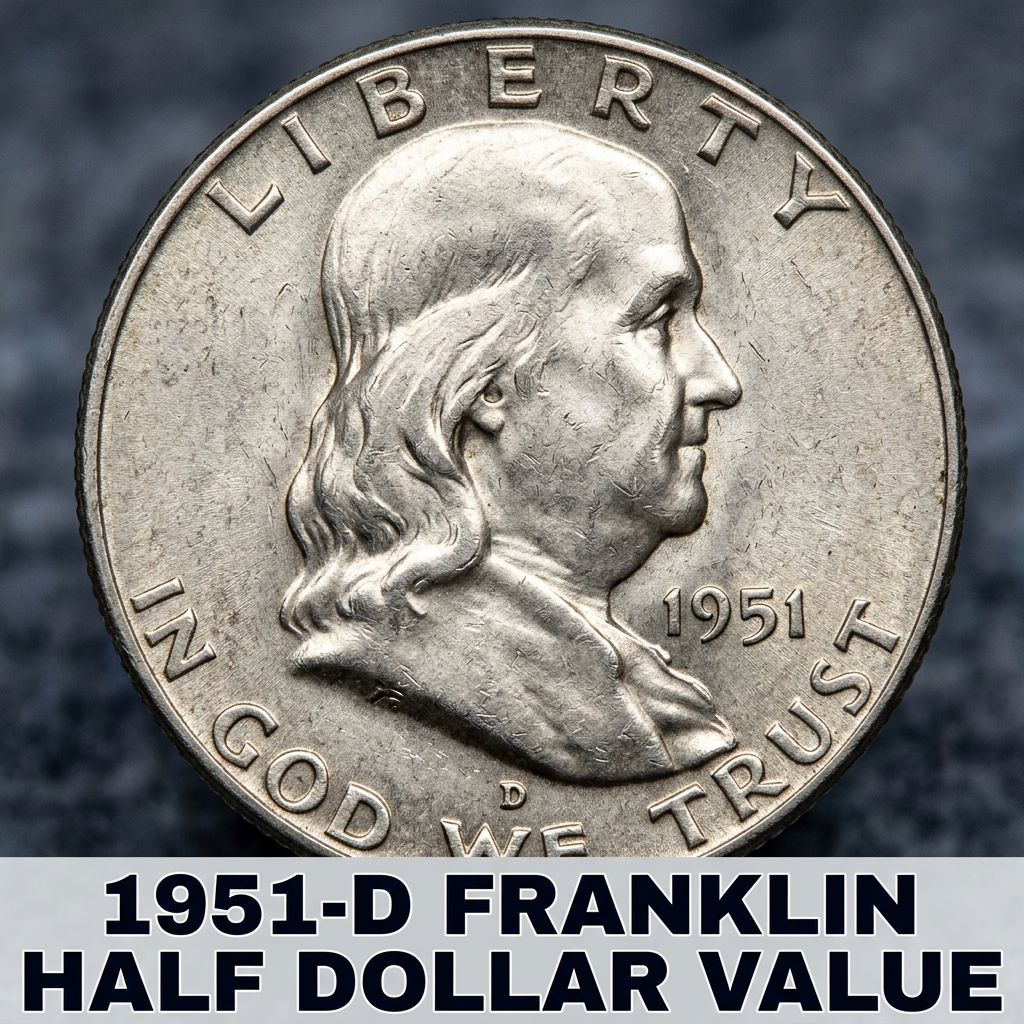
The 1892 Barber Quarter with no mint mark is worth anywhere from $15 in heavily worn condition to over $600 in premium uncirculated grades. As the very first year of the Barber design, this silver coin is a favorite among everyday Americans discovering treasures in old collections or inherited jars.
| Condition | Estimated Value |
|---|---|
| Good (G-4) | $15 – $20 |
| Fine (F-12) | $40 – $55 |
| Extremely Fine (XF-40) | $110 – $140 |
| Uncirculated (MS-63) | $250 – $350 |
| Gem Mint (MS-65+) | $650+ |
History of the 1892 Barber Quarter with No Mint Mark
The year 1892 marked a significant transition in American coinage history. It was the debut year for Charles E. Barber’s new design, replacing the long-running Seated Liberty motif. If you find one of these coins and it lacks a small letter beneath the eagle’s tail on the reverse, it means your coin was struck at the Philadelphia Mint. At the time, Philadelphia was the primary facility for the United States Mint and did not use mint marks. If you are ever unsure about a coin’s origin, using the best coin identifier app can help you distinguish between various mint locations and years instantly.
The 1892 Philadelphia issue had a healthy mintage of over 8 million pieces. While this makes it relatively common in lower “circulated” grades, finding one that still looks shiny and new is quite rare. Most of these quarters spent decades in people’s pockets, buying groceries or newspapers during the late 19th century. Consequently, most specimens found today show significant wear on Liberty’s headband and the eagle’s feathers.
To get an accurate sense of what your specific coin is worth, many collectors use CoinHix. This app allows you to take a photo and get a baseline idea of the grade and market value. Since the 1892 Barber Quarter was the “first of its kind,” it holds a special place in the hearts of type collectors who aim to own the first and last years of any specific coin series.
Identifying Features and Composition of 1892 Quarters
The 1892 Barber Quarter is composed of 90% silver and 10% copper. This “junk silver” content alone gives the coin an intrinsic value, which fluctuates based on the current spot price of silver. However, because this is a 19th-century collectible, the numismatic (collector) value almost always exceeds the melt value. The obverse features a classic “Liberty Head” wearing a Phrygian cap and a laurel wreath, while the reverse depicts a heraldic eagle holding an olive branch and arrows.
Determining the rarity involves looking at the date and the lack of a mint mark. Because 1892 was a big year for silver coinage, including the 1892 silver dollar worth and value, the production at the Philadelphia Mint was robust. Unlike the San Francisco (S) or New Orleans (O) mints from the same year, the Philadelphia version is considered the most accessible for new collectors.
If you are inspecting your coin, look closely at the word “LIBERTY” on the headband. If the letters are fully visible, you have a high-value specimen. If the word is worn away, it is likely in the “Good” or “Very Good” category. Because grading is subjective and difficult for beginners, apps like CoinHix are invaluable for providing an instant second opinion on your coin’s condition.
| Technical Spec | Details |
|---|---|
| Composition | 90% Silver, 10% Copper |
| Silver Weight | 0.1808 troy oz |
| Diameter | 24.3 mm |
| Mintage (Philly) | 8,248,000 |
How Condition Affects 1892 Barber Quarter Dollar Value
The largest factor in determining the price of an 1892 Barber Quarter without a mint mark is its grade. In the coin world, “grade” refers to the amount of wear and tear the coin has suffered. A coin that looks like it just came from the bank is “Mint State” (MS), while a coin where the details are mostly flat is “Good” (G). Even a small amount of detail on the eagle’s wings can raise the price by $20 or $30.
Collectors specifically look for the “in-between” grades. An “Extremely Fine” (XF) coin will have nearly all its details but may have lost its original luster (shine). These are very popular because they look great in an album but don’t cost thousands of dollars. Prices jump significantly once you reach “About Uncirculated” (AU) or “Mint State” (MS) levels.
If you find a coin that looks surprisingly clean, do not clean it! Rubbing a coin with a cloth or using chemicals can destroy its value instantly. Natural “toning” or a dark colorful patina is actually preferred by professionals. To see how your coin compares to museum-quality pieces, you can utilize CoinHix to browse through high-resolution images of various grades for comparison.
| Grade Designation | Visual Description | 1892 P Value |
|---|---|---|
| Good (G-4) | Heavy wear, outlines only | $15 |
| Fine (F-12) | Liberty letters visible | $48 |
| EF-40 | Eagle’s feathers sharp | $125 |
| MS-60 | No wear, some bag marks | $210 |
Common Errors and Variations in 1892 Quarters
Errors are a great way to find “hidden gold” in your coin collection. For the 1892 Barber Quarter, collectors keep an eye out for “doubled die” errors, where the stamping process left a secondary image on the coin’s surface. While not as famous as later penny errors, a clear doubling on the date or the lettering can double or triple the value of the coin.
Another thing to watch for is the “Proof” strike. In 1892, the Philadelphia Mint produced a small number of Proof coins specifically for collectors. These have mirror-like backgrounds and very sharp details. There were only 1,245 proofs minted in 1892, making them incredibly rare. If your no-mint-mark quarter looks unusually shiny with flat, frosted surfaces, you might be holding a Proof coin worth $800 to $2,000.
Because errors are microscopic, you may need a magnifying glass or a high-resolution digital zoom. Many amateur hunters use mobile apps to help identify these subtle differences. It is always worth taking a few extra minutes to inspect the edges and the date for any strange anomalies that might boost the price above standard market rates.
Selling and Collecting the 1892 Barber Quarter
When it comes time to sell your 1892 Barber Quarter, you have several options. For common, circulated coins, a local coin shop is the fastest way to get cash in hand. However, keep in mind that dealers generally pay about 50% to 70% of the retail value so they can make a profit. If you have a high-grade specimen worth hundreds of dollars, you might consider an online auction or a professional grading service like PCGS or NGC.
Before selling, it is vital to know the current market trends. The prices of Barber silver coins can rise and fall based on collector interest. Currently, there is a strong demand for “Type Coins”—coins that represent a specific design era. Since 1892 is the first year of the Barber series, it stays consistently popular.
Always document your coin with clear photos from both sides. Knowing your coin’s story, including where you found it, can sometimes add to its charm, though the physical condition will always be the primary price driver. Using digital tools to keep an inventory of your collection ensures you never lose track of the value of your 1892 silver assets.
FAQ
Q: How can I tell if my 1892 Quarter is from Philadelphia?
A: Look at the reverse side of the coin, just below the eagle’s tail. If there is no small letter (like ‘S’ or ‘O’), it was minted in Philadelphia. This is often referred to as an “1892-P” by collectors.
Q: Is the 1892 Barber Quarter made of real silver?
A: Yes, it is made of 90% silver. If you were to melt it down (though this is not recommended for collectibles), it contains about 0.18 ounces of pure silver.
Q: Why is my 1892 Quarter worth more than a newer one?
A: The value comes from its age, silver content, and rarity. Modern quarters are made of nickel and copper and are produced by the billions, whereas 1892 quarters are over 130 years old and significantly harder to find.
Q: What is the most an 1892 Barber Quarter has ever sold for?
A: While a standard circulated coin is worth $15-$50, a perfect “Gem” quality specimen (MS-67) has been known to sell for over $15,000 at elite auctions. Condition is everything!