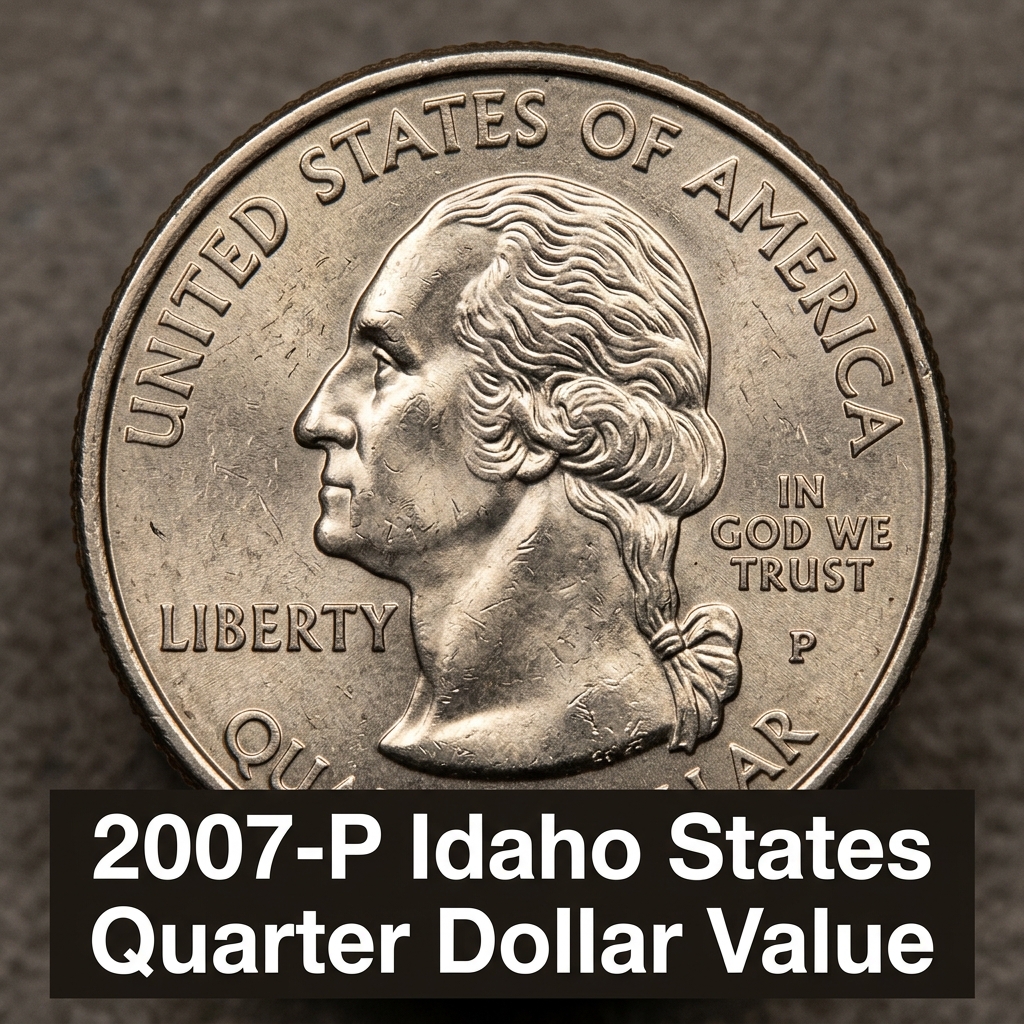
The 1927-D Mercury Dime is worth anywhere from $5 in worn condition to over $1,500 in pristine mint state. This classic American coin, featuring the profile of Lady Liberty in a winged cap, is a favorite among collectors due to its high silver content and its historical connection to the Roaring Twenties.
| Condition | Estimated Value |
|---|---|
| Good (G-4) | $5 – $7 |
| Fine (F-12) | $15 – $22 |
| Extremely Fine (XF-45) | $65 – $85 |
| Uncirculated (MS-60) | $150 – $210 |
| Choice Mint State (MS-65+) | $500 – $1,500+ |
Discovering the History of the 1927-D Mercury Dime
If you have stumbled upon a silver dime in an old jewelry box or a jar of loose change, you might be holding a piece of American history. The “Mercury” Dime, officially known as the Winged Liberty Head Dime, was designed by Adolph A. Weinman and minted between 1916 and 1945. The 1927-D version was struck at the Denver Mint, which is indicated by the small “D” mark located on the reverse side of the coin. Because these coins are 90% silver, they have a “melt value” that keeps them worth significantly more than ten cents, even if they are heavily worn.
To determine exactly what you have, many modern collectors use the best coin identifier app to get an instant visual confirmation and basic price range. During the late 1920s, the Denver Mint produced just under 5 million of these dimes, which is a relatively low mintage compared to the Philadelphia Mint’s production that same year.
This scarcity makes the 1927-D a “semi-key date” for collectors. Finding one today is an exciting prospect for anyone interested in numismatics. Whether you are a casual hobbyist or someone looking to cash in on a lucky find, understanding the nuances of the CoinHix app can help you track the market trends for these silver treasures.
How to Read the 1927 Denver Mint Mark
The mint mark on a Mercury Dime is a tiny letter that tells you where the coin was made. For the 1927-D, you should look at the back of the coin (the reverse). Locate the “fasces”—the bundle of sticks wrapped around an axe. Just to the left of the base of the fasces, near the rim, you will find either a small “D” or nothing at all.
If you see a “D,” your coin was minted in Denver. If the space is blank, it was minted in Philadelphia. The 1927-D is generally considered more valuable than the Philadelphia version or the San Francisco version from the same year. This is because fewer were made in Denver, leading to a smaller supply today.
When looking at your coin, it is helpful to check the 1927-D Mercury Dime value information to see how the Denver mark impacts the current market price. Using a magnifying glass or a high-quality photo on the CoinHix app is the best way to ensure you aren’t misidentifying a worn “S” or a “D.”
Grading and Condition: Why it Matters
The condition, or “grade,” of your coin is the single most important factor in determining its market price. A Mercury Dime that has been passed around in pockets for decades will show significant wear on Lady Liberty’s hair and the feathers on her cap. On the other hand, a coin that was tucked away in a bank vault will retain its original “mint luster”—the satiny shine that coins have when they are fresh from the mint.
Professional graders use a 70-point scale to categorize coins. For the 1927-D, the jump in price between a coin graded “Extremely Fine” and one graded “Mint State” can be hundreds of dollars. Collectors pay a massive premium for coins that have “Full Bands.” This refers to the horizontal lines on the fasces on the back; if they are fully separated and sharp, the coin’s value skyrockets.
| Grade Designation | Visual Description | Rarity Level |
|---|---|---|
| Good (G4) | Flat details, rim worn into letters. | Common |
| Very Fine (VF20) | Clear details on feathers and hair. | Scarcely available |
| Mint State (MS63) | No wear, strong luster. | Rare |
| Full Bands (FB) | Fully defined horizontal bands. | Extremely Rare |
The “Full Bands” Mystery and High-Value Sales
For the serious investor, the term “Full Bands” (often abbreviated as FB) is the holy grail. On the reverse of the dime, the central fasces is held together by leather straps. In most strikes, these straps are blurry or merged. However, if the strike was exceptionally strong, the horizontal lines (bands) are distinct and separated.
A 1927-D with Full Bands is incredibly hard to find because the Denver Mint in the 1920s frequently struggled with worn dies, resulting in “mushy” details. Checking the current price figures for MS65 Full Band dimes will show you that these rare specimens can sell for $5,000 or even $10,000 at specialized auctions.
Even if your coin isn’t a “Full Band” specimen, it still holds significant value compared to modern dimes. Regular Americans often overlook these coins because they are similar in size to current dimes, but the silver content alone makes them worth about 20 times their face value at a minimum.
Where to Sell Your 1927-D Mercury Dime
If you discover you have a valuable coin, your next question is likely: “Where do I sell it?” You have several options depending on the coin’s value. For lower-grade coins worth under $20, a local coin shop or a silver buyer is often the easiest route. They will pay you based on the silver weight plus a small premium for the coin’s age.
For higher-grade coins, such as those worth over $100, you might consider professional grading through services like PCGS or NGC. Once graded, you can sell your coin through online auctions or specialized numismatic platforms. Many users prefer to use CoinHix to compare recent auction results before talking to a dealer so they don’t get underpaid.
It is vital to never clean your coin. Even if it looks dirty or dark (a process called “toning”), cleaning it with chemicals or a cloth will create microscopic scratches. These scratches instantly destroy the numismatic value, often reducing a $100 coin to its basic silver value of $2. Leave the coin exactly as it is to preserve its history and worth.
| Mintage Location | Total Produced | Relative Value |
|---|---|---|
| 1927 (Philadelphia) | 28,080,000 | Lowest |
| 1927-D (Denver) | 4,815,000 | Highest |
| 1927-S (San Francisco) | 4,766,000 | High |
FAQ
Q: Is every 1927-D Mercury Dime made of silver?
A: Yes, all Mercury Dimes minted from 1916 to 1945 are composed of 90% silver and 10% copper. This means their “base” value fluctuates with the current price of silver on the global market.
Q: How can I tell the difference between a real and a fake dime?
A: Authentic 1927-D Mercury Dimes have a weight of 2.5 grams and a diameter of 17.9 mm. Counterfeits are rare for this specific year, but they often have “mushy” details or the wrong weight. Using a coin app like CoinHix can help you compare your coin to high-resolution images of known authentic pieces.
Q: Why is the coin called a “Mercury” dime if it’s Lady Liberty?
A: The public mistakenly identified the winged cap of Liberty as belonging to the Roman messenger god Mercury. The name stuck, and today, almost everyone—including professional collectors—refers to them as Mercury Dimes.
Q: Should I get my 1927-D Dime professionally graded?
A: If your coin appears to be in “Mint State” (meaning it has no visible wear and still shines), it is usually worth the $30-$50 fee for professional grading. If it is heavily worn, the grading cost may exceed the value of the coin itself.
Q: Where is the best place to find these coins?
A: While they are occasionally found in circulation, your best bet is looking through estate collections, old coin rolls from the bank, or purchasing from reputable dealers. Finding one in the wild is rare but still happens for those who know what to look for!