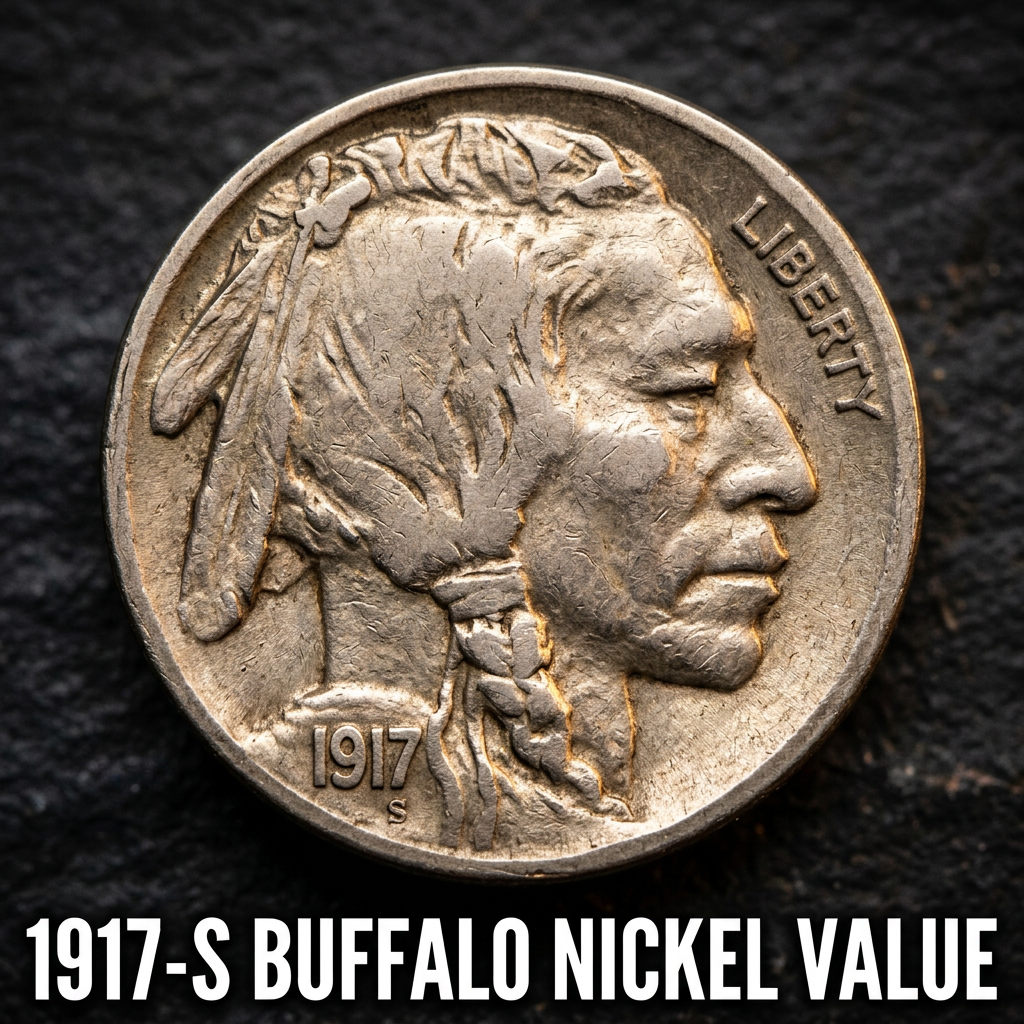
The 1937-D Buffalo Nickel is worth anywhere from $1 in heavily circulated condition to over $15,000 for rare “3-Legged” varieties in high grades. This Denver-minted coin is one of the most exciting issues for everyday collectors due to a famous minting error.
| Condition | Standard 1937-D Value | 3-Legged Variety Value |
|---|---|---|
| Good (G-4) | $1.00 – $1.50 | $450 – $600 |
| Fine (F-12) | $2.50 – $4.00 | $800 – $1,200 |
| Extremely Fine (XF-45) | $12.00 – $18.00 | $2,500 – $3,500 |
| Uncirculated (MS-65) | $65.00 – $85.00 | $15,000+ |
Understanding the History of the 1937-D Buffalo Nickel
The 1937-D Buffalo Nickel was produced at the Denver Mint during the final years of the Indian Head/Buffalo nickel series. These iconic coins were designed by James Earle Fraser and represent a quintessentially American aesthetic. By 1937, the Great Depression was still being felt, but the Denver Mint managed a healthy production run of over 17 million coins.
For everyday Americans hunting through pocket change or old jars, using the best coin identifier app can help distinguish between a common nickel and a valuable rarity. While most 1937-D nickels were used heavily in commerce, many were saved by collectors who realized the series was nearing its end.
The Denver “D” mint mark is located on the reverse side of the coin, right below the buffalo and above the words “FIVE CENTS.” If your coin has this mark and the date 1937, it is a 1937-D. While standard versions are affordable, the variety caused by a damaged die makes this year a legend in the world of numismatics. For a better understanding of the value, you can also use CoinHix to scan your coin and get instant market feedback.
The Famous 1937-D 3-Legged Buffalo Nickel Variety
The “3-Legged” Buffalo Nickel is arguably the most famous error in American coinage. It occurred because a mint worker at the Denver facility tried to remove “clash marks” (imperfections caused by dies hitting each other) by polishing the reverse die. He polished so aggressively that he accidentally removed most of the buffalo’s front right leg.
This error was not caught immediately, and thousands of these coins entered circulation. Today, they are highly sought after by collectors. A genuine 3-legged nickel will show a missing front leg, but the “hoof” on the ground will still be visible. Additionally, there are often “streamers” or small lines of metal flowing from the buffalo’s belly.
Because these coins are valuable, many fakes exist where someone has simply filed off the leg. It is crucial to verify your coin’s authenticity. Professional grading services or digital tools like CoinHix can assist in identifying these minute details. Collectors often refer to the 1937 nickel price guide to see how much of a premium these error coins command over the standard versions.
| Key Feature | Standard 1937-D | 3-Legged Variety |
|---|---|---|
| Front Leg | Fully visible and solid | Leg missing, but hoof remains |
| Reverse Surface | Natural matte or luster | Shows “pitting” or polish lines |
| Market Demand | Moderate | Extremely High |
Determining the Grade and Condition of Your Nickel
When evaluating the value of a regular 1937-D Buffalo Nickel, condition is everything. Coins that have been in circulation for decades will show significant wear. On the obverse, the Indian’s hair and cheekbone will be smooth. On the reverse, the buffalo’s shoulder and horn are typically the first areas to lose detail.
A “Mint State” (MS) coin is one that never entered circulation and still looks like it did the day it was minted. For these high-end specimens, the 1937-D Buffalo Nickel prices in MS condition can jump from $50 to hundreds of dollars depending on the specific numerical grade.
To grade your coin at home, look for the “Horn.” A full horn on the buffalo is a sign of a high-grade coin (usually Extremely Fine or better). If the horn is missing, the coin is likely in “Good” or “Very Good” condition. Using CoinHix can help you compare your coin to high-resolution images of various grades, providing a ballpark estimate for its market price.
Auction Records and Market Trends for the 1937-D
The market for Buffalo Nickels remains robust because these coins are incredibly popular with both seasoned collectors and beginners. While millions of 1937-D nickels were made, finding one in pristine, “Gem” condition is rare. Auction records show that coins with “Full Strike” (where every detail is deeply impressed) sell for huge premiums.
For the 3-Legged variety, the prices are even more volatile. In recent years, a 1937-D 3-Legged Buffalo Nickel graded MS-67 by PCGS sold for nearly $100,000 at auction. While your found coin probably isn’t a “67,” even mid-grade examples sell quickly at coin shows and online auctions.
| Numerical Grade | Estimated Market Value | Rarity Level |
|---|---|---|
| MS-63 | $40 – $55 | Common |
| MS-66 | $150 – $225 | Scarce |
| MS-67+ | $1,500+ | Very Rare |
Keep in mind that prices can fluctuate based on the “eye appeal.” A coin with beautiful natural toning (colors like blue, gold, or purple) might sell for significantly more than a white, “dipped” coin. Always keep your coins in a cool, dry place and never clean them, as cleaning can destroy up to 90% of a coin’s value.
Common Questions About the 1937 Buffalo Nickel Value
When people find an old nickel, they often have the same few questions. The 1937 series is particularly interesting because it was also minted in Philadelphia (no mint mark) and San Francisco (“S” mint mark). While the “D” is famous for the error, the other mints have their own value profiles.
Many people ask if “No Date” Buffalo Nickels are worth anything. Unfortunately, if the date is worn off, the coin is usually only worth about 10 to 25 cents. However, special chemicals can sometimes restore the date for identification, though this makes the coin “damaged” in the eyes of professional collectors.
It’s also important to distinguish between the 1937-D and the 1937 Philadelphia nickel. The Philadelphia version had a much higher mintage (over 79 million), making it less valuable in lower grades compared to the Denver version. Always check the reverse for that small “D” to ensure you are looking at the correct value chart.
Where to Sell Your 1937-D Nickel for the Best Price
If you discover you have a 1937-D Buffalo Nickel—especially the 3-Legged variety—you have several options for selling. For common, circulated coins, a local coin shop is the easiest route. They will likely pay “wholesale” prices, allowing them room to make a profit when they resell it.
For more valuable error coins or high-grade uncirculated nickels, online auction sites or professional auction houses are better choices. These platforms allow you to reach a global audience of specialists who are willing to pay top dollar for rare varieties. Before selling, it is highly recommended to get your coin “slabbed” or authenticated by a service like PCGS or NGC.
Using a modern tool like CoinHix can help you track recent sales and see where similar coins are being listed. By staying informed about the market, you can ensure you don’t accidentally sell a $1,000 error coin for the price of a standard nickel.
FAQ
Q: How can I tell if my 1937-D 3-Legged Buffalo Nickel is real?
A: A genuine 3-legged nickel will have the front leg entirely missing, but the hoof should still be visible on the ground. Additionally, look for a “streaming” effect from the buffalo’s belly and a slightly “pitted” look on the reverse from the over-polishing of the die. If the area where the leg should be looks scratched or cleaned, it might be an altered fake.
Q: Is a 1937 nickel without a mint mark worth anything?
A: A 1937 nickel with no mint mark was struck in Philadelphia. These are very common. In average circulated condition, they are worth about $0.50 to $1.50. However, in pristine uncirculated condition, they can still be worth $30 to $50 or more.
Q: Where is the mint mark on a 1937 Buffalo Nickel?
A: The mint mark is located on the reverse (tails) side of the coin. Look directly under the words “FIVE CENTS” and the buffalo’s rear legs. You will see a small “D” for Denver, an “S” for San Francisco, or nothing at all if it was minted in Philadelphia.
Q: Should I clean my 1937-D Buffalo Nickel to make it look better?
A: No! Never clean your coins. Collectors prefer the original “patina” or “toned” look. Cleaning a coin with chemicals or cloths creates microscopic scratches that graders can easily spot, and it can reduce the value of a rare coin by more than half.
Q: How many 3-legged nickels were actually made?
A: There is no official mintage number because it was a production error, not a planned release. Estimates suggest that around 10,000 to 15,000 survived, though many are likely still hidden in old collections or were lost to heavy circulation over the last 80 years.